Tele-Oncology in India for Cancer Care at Home
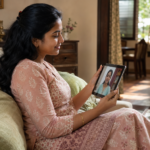
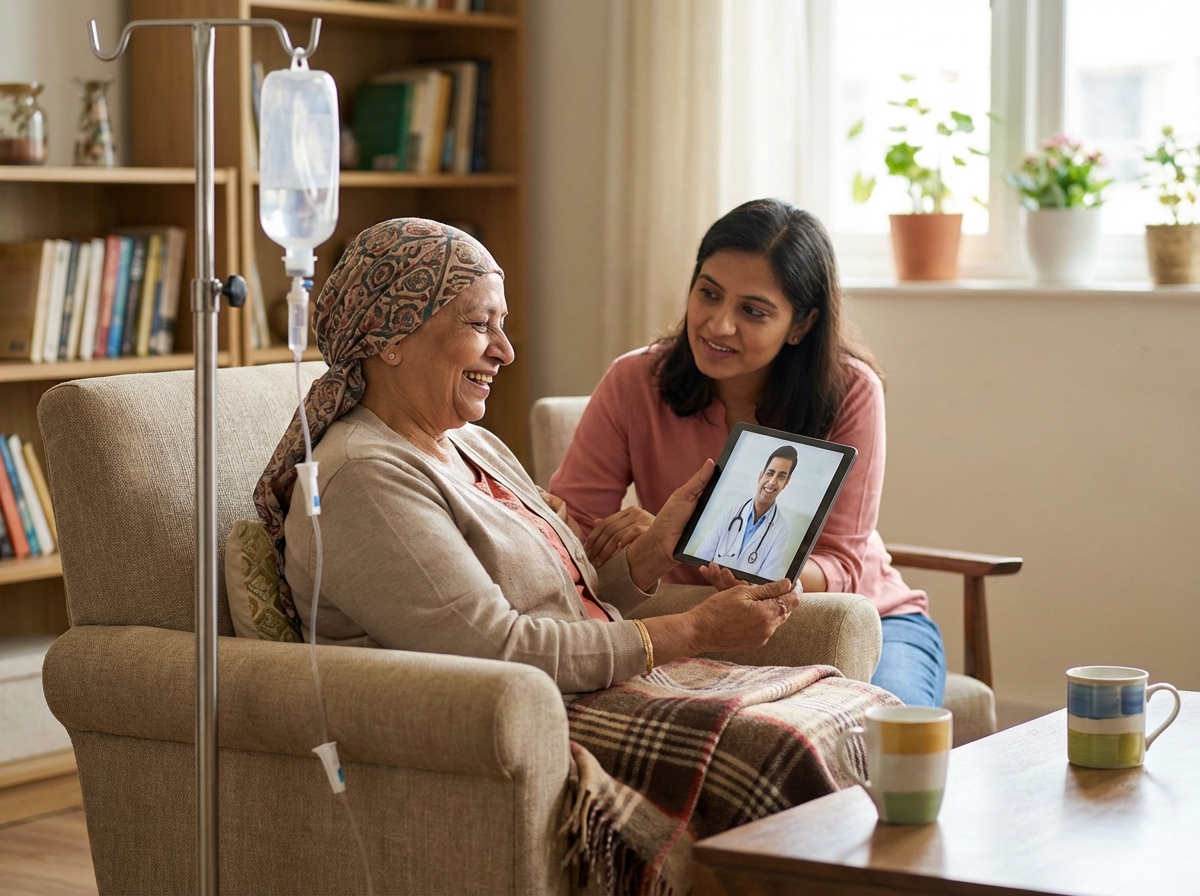
Tele-oncology in India helps patients access cancer follow-ups, symptom reviews, counselling, and second opinions from home when suitable.
Direct answer: Tele-oncology in India lets cancer patients speak with an oncologist by phone or video for follow-ups, symptom reviews, treatment counselling, and second opinions from home. It supports access and convenience, but it does not replace hospital-based treatment such as scans, chemotherapy, radiation, surgery, or physical examinations.
Key Takeaways
- Tele-oncology means oncology care delivered through phone or video consultations.
- It can help with follow-ups, symptom checks, medication adjustments, treatment counselling, second opinions, and palliative care support.
- It is especially useful in India, where cancer specialists are often concentrated in larger cities.
- Tele-oncology can reduce travel, stress, and care delays for patients and caregivers.
- It supports cancer care but does not replace in-person tests, procedures, chemotherapy, radiation, or surgery.
Why this matters in India
This is especially important in India, where access to cancer specialists is still uneven. Patients living in smaller towns or rural areas often travel long distances for expert advice.
With tele-oncology, much of that support can now happen remotely, helping patients save time, reduce stress, and stay more consistent with care.
What Is Tele-Oncology and Why Is It Growing in India?
Tele-oncology refers to oncology care delivered through phone or video consultations. It does not replace surgeries, chemotherapy infusions, scans, or hospital-based procedures.
However, it can support several parts of the treatment journey that do not always require physical presence.
Common uses of tele-oncology
- Follow-up appointments after treatment or surgery
- Symptom checks for fatigue, nausea, pain, or appetite changes
- Medication adjustments based on side effects
- Treatment counselling for newly diagnosed patients
- Second opinions from specialists in major cancer centres
- Palliative care support for advanced cancer patients
In practical terms, this means a patient in a rural district can speak with an oncology expert in Bengaluru, Mumbai, or Delhi without leaving home. That is a major shift in how cancer care can be delivered across India.
How Tele-Oncology Helps Cancer Patients and Families
Less travel and less fatigue during cancer care
Cancer treatment already takes a physical and emotional toll. Repeated hospital visits for short discussions can be draining, especially for those undergoing chemotherapy.
A quick video check-in can help patients discuss side effects, ask questions, and get guidance without the burden of travel. For caregivers, this may also mean fewer work disruptions and lower transport costs.
Better access to specialist oncology advice
One of the biggest advantages of cancer care from home is access. India has excellent oncology experts, but many are concentrated in larger cities.
Tele-oncology helps bridge this gap by bringing specialist knowledge to patients who may otherwise face delays in reaching the right doctor. In serious illnesses like cancer, timely guidance can help patients make important decisions sooner.
Ongoing support for symptom management
Not every concern needs an emergency visit. Patients often need help with pain, vomiting, weakness, sleep disturbance, or emotional stress between treatment sessions.
Tele-consultations allow oncologists and palliative care teams to monitor these issues closely. Some evidence suggests that tele-palliative care for advanced cancer may support symptom management and quality of life when used appropriately.
Where Tele-Oncology Fits Best in the Cancer Journey
Virtual oncology is most useful when it is integrated thoughtfully. It works well for routine reviews, explaining reports, discussing treatment plans, nutrition guidance, mental health support, and palliative care follow-ups.
It can also help families prepare better before in-person hospital visits, making those appointments more focused and productive.
However, it is important to be clear: tele-oncology is a supportive extension of cancer care, not a complete replacement.
| Often suitable for tele-oncology | Usually requires in-person care |
|---|---|
| Follow-up reviews | Physical examinations |
| Explaining reports | Lab tests and imaging |
| Treatment counselling | Chemotherapy sessions |
| Nutrition and mental health support | Radiation treatment |
| Palliative care follow-ups | Procedures and surgeries |
The goal is not to eliminate in-person treatment, but to reduce unnecessary visits and make care more patient-friendly.
What Indian Patients Should Keep in Mind Before a Tele-Oncology Consultation
- Keep your latest reports, prescriptions, and scan results ready before the call.
- Write down symptoms such as fever, pain level, nausea, or appetite loss.
- Use a stable internet connection and a quiet place for the consultation.
- Ask clearly when an in-person visit is necessary.
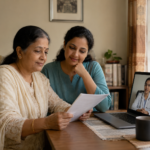
- Include a caregiver in the call if treatment decisions are being discussed.
Explore Online Oncology Consultation Options in India
For Indian patients managing cancer across busy schedules, long distances, and limited specialist access, tele-oncology is more than a convenience. It is a practical way to stay connected with expert care, reduce delays, and feel supported through a difficult journey.
If you or a loved one needs oncology guidance, follow-up support, or a second opinion, this may be a good time to explore virtual care options.
If you are ready to take the next step, book an appointment through AskyDoc to connect with the right doctor from the comfort of home.
Reviewed by:

All health-related content published on AskyDoc is reviewed by qualified medical professionals to ensure accuracy, relevance, and adherence to current clinical guidelines. Our goal is to provide reliable, evidence-based information to support informed healthcare decisions.