
Uncategorized | AskyDoc

How to Choose a Gynecologist in Madurai: A Practical Guide

Direct answer: When choosing a gynecologist in Madurai, the practical things to check are qualifications and medical council registration, hospital affiliation, experience with your specific concern, whether you can consult comfortably in your own language, and whether follow-up is straightforward. An online consultation is a low-commitment way to have a first conversation before deciding.

Key Takeaways

  • Hospital affiliation matters — it indicates the doctor works within an established clinical setting with access to diagnostics and colleagues.
  • Check postgraduate qualifications (MS or DNB in Obstetrics and Gynecology) and state medical council registration.
  • Match the specialist to your concern: PCOS, fertility, pregnancy care and menopause are different areas of focus.
  • Being able to consult in Tamil, with a female specialist, removes a real barrier for many patients.
  • Online consultation suits discussion, review and follow-up; examination, ultrasound and delivery need in-person care.

At a Glance

  • Intended audience: Women in Madurai and surrounding districts choosing a gynecologist or considering a first consultation
  • Location relevance: Madurai and southern Tamil Nadu
  • Reading time: 5 minutes

Jump to a Section

What to Check When Choosing a Gynecologist

Most people choose a gynecologist through a family recommendation, which is reasonable — but it helps to know what you are actually assessing.

  • Qualifications. An obstetrician-gynecologist in India will hold an MBBS followed by a postgraduate qualification such as MS or DNB in Obstetrics and Gynecology, and should be registered with the relevant state medical council.
  • Hospital affiliation. A doctor attached to an established hospital has access to diagnostics, operating facilities and specialist colleagues if your care needs to escalate.
  • Relevant experience. Gynecology covers a wide range. Ask whether the doctor regularly manages your particular concern.
  • Language. Being able to describe symptoms precisely in your own language materially affects the quality of a consultation.
  • Follow-up access. Many gynecological concerns need review over time rather than a single visit.
  • Transparent fees. Knowing the consultation cost upfront avoids an awkward conversation later.

Matching the Specialist to Your Concern

Different concerns call for different focus areas:

The Barriers That Stop Women Seeking Care

Delay in seeking gynecological care is common, and the reasons are usually practical rather than medical: discomfort discussing symptoms, difficulty taking half a day away from work or family responsibilities, distance from a specialist, and uncertainty about whether a symptom is “serious enough” to justify a visit.

This pattern shows up in screening data too. Research in Tamil Nadu found substantially more women were aware that cervical and breast cancer screening existed than had actually been screened — awareness was not the bottleneck, access and initiation were. Early conversations tend to be easier and cheaper than late ones.

Consulting a Gynecologist in Madurai

You can review available specialists on the gynecologists in Madurai listing.

Dr. Jeyanthi Prasad, Obstetrician-Gynecologist at Mohan’s Medicity Hospital, Madurai, holds M.B.B.S., M.S (OG), DNB (OG), CIMU and FMIS (LAP) qualifications and consults on PCOS, menstrual health, pregnancy care and post-natal concerns. She practises at Mohan’s Medicity Hospital in K.K. Nagar, Madurai, and consults online in Tamil and English.

Online Consultation Versus an In-Person Visit

Suited to online consultation: discussing menstrual irregularities or PCOS symptoms, contraception guidance, early pregnancy questions, post-natal concerns, reviewing existing scan or blood test reports, and follow-up after a previous visit.

Requires an in-person visit: physical examination, pelvic examination, ultrasound scanning, procedures, and delivery.

For many women the useful sequence is to start with an online conversation to understand whether an in-person visit is needed at all, and what to prepare for it. Our guide on choosing between teleconsultation and an in-person visit covers this decision more fully.

Medical safety note: Seek immediate in-person care for heavy vaginal bleeding, severe abdominal or pelvic pain, fever with pelvic pain, reduced fetal movement during pregnancy, or any symptom that feels acutely worrying. Do not wait for a scheduled online consultation.

Frequently Asked Questions

What should I look for when choosing a gynecologist?

Qualifications and medical council registration, hospital affiliation, experience with your specific concern, language comfort, follow-up availability, and transparent fees.

Can I consult a gynecologist online in Madurai?

Yes. Online gynecology consultation suits menstrual irregularities, PCOS, contraception guidance, pregnancy questions, post-natal concerns and report reviews. Examination, ultrasound and delivery require in-person care.

What qualifications should a gynecologist in India have?

Typically an MBBS followed by an MS or DNB in Obstetrics and Gynecology, with registration under the relevant state medical council or the National Medical Commission.

Is it normal to feel uncomfortable discussing gynecological issues?

Very. It is one of the most common reasons women delay care. Consulting from home, in your own language, with a female specialist can make that first conversation considerably easier.

Bottom Line

Choosing a gynecologist comes down to credentials, relevant experience, and whether you can actually talk comfortably and follow up easily. If you have a concern you have been putting off raising, book an online gynecology consultation with AskyDoc — it is a low-pressure way to start.

Sources

Share the post

Kidney Health in India: When to See a Nephrologist

Direct answer: Chronic kidney disease often develops silently, with no symptoms until significant function is already lost — which is why it is usually found through routine blood or urine tests rather than through how you feel. If you have diabetes, high blood pressure, or abnormal kidney test results, a nephrology consultation is worth arranging even if you feel well.

Key Takeaways

  • India has an estimated 128 million people living with chronic kidney disease — roughly 9.3% of the population — the second-highest national burden in the world.
  • Pooled community research puts prevalence among Indians aged 15 and above at around 13.2%, close to the global average of 13.0%.
  • Prevalence is rising: studies from 2018-2023 found 16.4% prevalence versus 11.1% in 2011-2017.
  • Diabetes and high blood pressure are the two leading causes — managing them well is the main way to protect kidney function.
  • Early-stage kidney disease usually has no symptoms, so testing matters more than waiting to feel unwell.

At a Glance

  • Intended audience: Adults in India with diabetes, hypertension, abnormal kidney test results, or a family history of kidney disease
  • Location relevance: India, including patients seeking nephrology consultation without travelling to a metro hospital
  • Reading time: 5 minutes

Jump to a Section

How Common Is Kidney Disease in India?

Chronic kidney disease (CKD) is one of India’s fastest-growing health burdens. Global Burden of Disease data put India’s CKD point prevalence at approximately 128 million cases, or 9.3% of the population, the second-highest national total in the world. A systematic review of community-based Indian studies found pooled prevalence of around 13.24% among those aged 15 and above.

The trend is the concerning part. Studies conducted between 2018 and 2023 reported prevalence of 16.38%, compared with 11.12% in studies from 2011 to 2017. In 2021, CKD was associated with approximately 175,637 deaths in India, and projections suggest it could become a top-five cause of death nationally by 2040.

One reason the mortality burden is heavy in India specifically: access to dialysis and transplantation is limited relative to need, so late-stage disease has fewer options than in higher-income settings. That makes early detection disproportionately valuable.

Why Kidney Disease Is Called a Silent Condition

The kidneys can lose a substantial share of their filtering capacity before producing noticeable symptoms. Most early CKD is therefore identified through routine blood tests (creatinine, eGFR) or urine tests (protein or albumin), not because someone felt unwell.

When symptoms do appear, they can include:

  • Swelling in the feet, ankles or around the eyes
  • Persistent fatigue or weakness
  • Changes in how often you urinate, or foamy urine
  • Poor appetite, nausea, or a metallic taste
  • Difficulty concentrating or disturbed sleep

These are non-specific and easy to attribute to other causes, which is exactly why testing matters for anyone in a higher-risk group.

Who Is Most at Risk

  • People with diabetes — the single largest contributor to CKD. Sustained high blood sugar damages the small filtering vessels in the kidney over time.
  • People with high blood pressure — both a cause and a consequence of kidney damage.
  • Those with a family history of kidney disease
  • Older adults
  • People with obesity, or with recurrent urinary tract infections
  • Long-term users of certain painkillers (NSAIDs) without medical supervision

If you are managing diabetes, our guide on managing diabetes online through teleconsultation covers how regular follow-up supports blood sugar control — which is also the primary way to protect kidney function. Blood pressure management matters equally, and diet plays a role there; see Indian diet choices for cardiac care.

When to See a Nephrologist

A nephrologist is a specialist in kidney function and disease. Consider a consultation if:

  • Blood tests show raised creatinine or reduced eGFR
  • Urine tests show protein or blood
  • You have diabetes or hypertension along with any abnormal kidney result
  • You have persistent unexplained swelling
  • You have been advised that your kidney function is declining and want to understand your options

Dr. Shamini Ajit Kumar, Nephrologist in Chennai, holds an MBBS, MD in Internal Medicine and DrNB in Nephrology, and is the founder of PMB Medcare The Kidney Clinic in Choolaimedu, Chennai. Her practice covers glomerular diseases, urinary tract infection, hemodialysis, peritoneal dialysis, kidney transplant care and geriatric kidney care, alongside diabetic and hypertensive kidney management.

Medical safety note: Seek urgent in-person care if you have sudden severe reduction in urine output, breathlessness with swelling, confusion, or chest pain. These can indicate acute kidney injury or fluid overload and should not wait for a scheduled consultation.

What an Online Nephrology Consultation Can Cover

Kidney care is unusually well suited to teleconsultation for the review-and-planning portions, because much of it is driven by laboratory results rather than physical examination.

Works well online: reviewing blood and urine test results you already have, discussing management of diabetic or hypertensive kidney disease, medication and diet guidance, follow-up between tests, and understanding whether your results warrant in-person investigation.

Requires in-person care: dialysis, biopsy, imaging, transplant assessment and physical examination.

For patients in Chennai specifically, avoiding a cross-city trip for a results review is a practical benefit — see avoiding Chennai traffic with online consultation. You can also read more about online doctor consultation for kidney disease in India, and our general guide on choosing between teleconsultation and an in-person visit.

Frequently Asked Questions

What are the early signs of kidney disease?

Often there are none. Early CKD is usually detected through routine blood or urine tests. Later signs can include swelling in the feet or ankles, fatigue, changes in urination, poor appetite and difficulty concentrating.

Who is most at risk of chronic kidney disease in India?

People with diabetes or high blood pressure are at highest risk, as these are the two leading causes. Family history, older age, obesity and recurrent urinary infections also increase risk.

When should I see a nephrologist?

If blood tests show reduced kidney function or raised creatinine, if there is protein or blood in your urine, or if you have diabetes or hypertension alongside abnormal kidney results.

Can a nephrologist consultation be done online?

Yes, for reviewing test results, managing diabetic or hypertensive kidney disease, and follow-up care. Dialysis, procedures and physical examination require in-person care.

Bottom Line

Kidney disease in India is common, rising, and usually silent in its early stages — which makes testing and timely specialist input far more useful than waiting for symptoms. If you have abnormal kidney results, or diabetes or hypertension and want them reviewed, book an online nephrology consultation with AskyDoc.

Sources

Share the post

Cancer Care in Madurai: Your Oncology Options Explained

Direct answer: Cancer care in Madurai typically involves a combination of surgical oncology, radiation oncology and medical oncology, often coordinated across the same hospital. Diagnosis, surgery and radiation delivery require in-person care, but second opinions, treatment planning discussions and follow-up consultations can be handled online — which matters when travelling repeatedly for appointments is difficult.

Key Takeaways

  • Breast cancer is the most common cancer among women in Tamil Nadu, at an incidence of roughly 28.5 per 100,000 women; cervical cancer follows at roughly 16.7 per 100,000.
  • Together, breast and cervical cancer account for 40-50% of the total cancer burden affecting women in India.
  • Surgical oncology and radiation oncology are different specialities — most treatment plans involve more than one.
  • A second opinion before starting treatment is a normal, reasonable step, not a sign of distrust.
  • Screening rates remain low relative to awareness, which is why cancers are often detected at later stages.

At a Glance

  • Intended audience: Patients and families in Madurai and Tamil Nadu navigating a cancer diagnosis or seeking a second opinion
  • Location relevance: Madurai, surrounding districts of Tamil Nadu, and patients seeking remote second opinions
  • Reading time: 5 minutes

Jump to a Section

Cancer in Tamil Nadu: What the Numbers Show

Breast cancer is the most commonly diagnosed cancer among women in Tamil Nadu, with published incidence around 28.5 per 100,000 women. Cervical cancer follows at approximately 16.7 per 100,000 women. Together, these two cancers represent an estimated 40 to 50 percent of the total cancer burden affecting women in India.

Tamil Nadu reports comparatively higher cancer screening participation than most Indian states — national survey data placed it highest for both cervical and breast cancer screening — yet absolute screening rates remain low against awareness levels. Community research in rural Tamil Nadu found that while 43.8% of women were aware cervical cancer screening was available, far fewer had been screened. That gap between knowing and doing is a significant reason cancers are detected at later, harder-to-treat stages.

Our guide on why early detection saves lives in breast cancer goes deeper on what to watch for.

Surgical, Radiation and Medical Oncology Explained

“Cancer specialist” is not one job. Understanding the difference helps you know who you are actually being referred to, and why a treatment plan may involve several doctors.

  • Surgical oncology — treats cancer by removing tumours and affected tissue surgically.
  • Radiation oncology — treats cancer using targeted radiation, including techniques such as IMRT, IGRT, VMAT and stereotactic radiotherapy.
  • Medical oncology — treats cancer using systemic therapy such as chemotherapy and targeted drugs.

Most cancer treatment plans involve more than one of these, coordinated together. This is why treatment is usually organised around a hospital rather than a single doctor.

Oncology Specialists in Madurai

Mohan’s Medicity Hospital in K.K. Nagar, Madurai provides treatment facilities focused on cancer management, with both surgical and radiation oncology available at the same centre.

Radiation Oncology

Prof. Dr. Mahalakshmi Prasad K., Radiation Oncologist at Mohan’s Medicity Hospital, Madurai, has over 15 years of experience in high-precision radiation treatment including IMRT, IGRT, VMAT and RapidArc. She introduced Stereotactic Radiotherapy for the first time in the entire Tamil Nadu government sector in January 2021, and completed specialised training in interventional radiotherapy at Gemelli University in Italy. She serves as Associate Professor of Radiation Oncology at Govt. Rajaji Hospital and Madurai Medical College, is a visiting consultant at Apollo Speciality Hospitals Madurai, and has chaired scientific sessions at conferences organised by the Association of Radiation Oncologists of India (AROI).

Surgical Oncology

Prof. Dr. B.K.C Mohan Prasad, Surgical Oncologist and Chairman of Mohan’s Medicity Hospital, Madurai, was the first qualified surgical oncologist in India and has more than 35 years of experience in cancer management. He previously served as Professor and Head of Surgical Oncology at Madurai Medical College and Govt. Rajaji Hospital, and at Sri Ramachandra Medical University.

Patients seeking oncology care elsewhere in Tamil Nadu can also review oncologists in Chennai.

When to Seek a Second Opinion

A second opinion is worth considering when you have just received a diagnosis, when a major treatment decision is proposed, when the recommended approach is unclear to you, or when you want to understand whether newer treatment techniques are relevant to your case.

This is routine practice in oncology and is not treated as questioning your doctor. You can read more about getting an online cancer second opinion in India.

What Online Consultation Can and Cannot Do in Cancer Care

Suited to online consultation: second opinions on an existing diagnosis, discussing a proposed treatment plan, reviewing scan and biopsy reports you already hold, follow-up between treatment cycles, and questions about managing side effects.

Requires in-person care: physical examination, biopsy, imaging, surgery, radiation delivery and chemotherapy administration.

The practical value is in reducing the number of trips required for the conversational parts of care. Our guide to tele-oncology in India covers this in more detail.

Medical safety note: If you are experiencing severe symptoms, uncontrolled pain, high fever during chemotherapy, or any acute deterioration, seek immediate in-person medical care rather than waiting for a scheduled consultation.

Frequently Asked Questions

What is the difference between a surgical oncologist and a radiation oncologist?

A surgical oncologist removes tumours and affected tissue through surgery. A radiation oncologist treats cancer using targeted radiation therapy. Many treatment plans involve both, alongside medical oncology for chemotherapy.

Should I get a second opinion on a cancer diagnosis?

Yes, it is a common and reasonable step. It can confirm the diagnosis, clarify staging, and help you understand alternative treatment approaches before committing.

Can cancer care be managed through online consultation?

Partly. Second opinions, treatment planning discussions, report reviews and follow-ups work well online. Diagnosis, imaging, surgery, radiation and chemotherapy require in-person care.

How common is breast cancer in Tamil Nadu?

It is the most common cancer among women in the state, at roughly 28.5 per 100,000 women, with cervical cancer following at roughly 16.7 per 100,000.

Bottom Line

Cancer care is coordinated across several specialities, and understanding who does what makes the process less overwhelming. If you have a diagnosis or a proposed treatment plan and want an informed second opinion without travelling for it, book an online oncology consultation with AskyDoc.

Sources

Share the post

Online Doctor Consultation in Madurai: A Complete Guide

Direct answer: Online doctor consultation is available in Madurai across specialities including gynecology, oncology, orthopedics and nephrology, typically for a fixed fee between ₹500 and ₹1000. It is well suited to routine concerns, second opinions, follow-ups and reviewing existing reports — but not to emergencies or anything needing physical examination, imaging or a procedure.

Key Takeaways

  • Online consultation removes travel and waiting time, which published teleconsultation research associates with average savings of about 16 hours and ₹400 in travel cost per visit.
  • Hospital-affiliated specialists in Madurai — not anonymous call-centre doctors — can be consulted online through curated platforms.
  • Fees are fixed and shown upfront, so there is no pricing surprise at the end of the consultation.
  • Registered practitioners in India can issue prescriptions after a teleconsultation where clinically appropriate.
  • Emergencies, injuries and anything requiring a physical exam still need an in-person visit.

At a Glance

  • Intended audience: Patients in Madurai and surrounding districts of Tamil Nadu considering an online consultation
  • Specialities covered: Gynecology, Oncology, Orthopedics, Nephrology, General Medicine
  • Reading time: 5 minutes

Jump to a Section

How Online Doctor Consultation Works in Madurai

An online consultation replaces the travel-and-wait portion of a clinic visit, not the doctor. You book a time slot with a named specialist, join by video or phone at that time, discuss your symptoms and any existing reports, and receive guidance — including a prescription where clinically appropriate.

For patients in Madurai and the surrounding districts, the practical difference is significant. A clinic visit to a specialist can consume most of a working day once travel, registration and waiting are counted. A teleconsultation is usually completed in 15 to 30 minutes from home. Our detailed breakdown of cost and time savings versus a traditional clinic visit covers the full comparison.

You can see the full list of available slots and specialists on the online doctor consultation in Madurai page.

Which Specialists You Can Consult Online in Madurai

The specialists below are hospital-affiliated consultants, not general call-centre physicians. Several practise at Mohan’s Medicity Hospital in K.K. Nagar, Madurai.

Gynecology and Women’s Health

Dr. Jeyanthi Prasad, Obstetrician-Gynecologist at Mohan’s Medicity Hospital, Madurai, consults online for PCOS, menstrual health, pregnancy care and post-natal concerns. If you are comparing options, the directory of gynecologists in Madurai lists available specialists. See also our guides on PCOS support through teleconsultation and what teleconsults can and cannot do before delivery.

Cancer Care and Oncology

Prof. Dr. Mahalakshmi Prasad K., Radiation Oncologist at Mohan’s Medicity Hospital, Madurai, has over 15 years of experience in high-precision radiation treatment and introduced Stereotactic Radiotherapy for the first time in the Tamil Nadu government sector in January 2021. Prof. Dr. B.K.C Mohan Prasad, Surgical Oncologist and Chairman of Mohan’s Medicity Hospital, Madurai, is one of India’s earliest qualified surgical oncologists with more than 35 years in cancer management.

Both consult online for cancer second opinions, treatment planning discussions and follow-up care. Our guide to tele-oncology in India explains what cancer care can reasonably be handled remotely.

Orthopedics and Joint Pain

Dr. Nirmal Immanuel Rajan, Orthopedic Surgeon, consults on joint pain, arthritis and surgical decision-making, including robotic-assisted knee replacement. See when to see an orthopedic doctor online and getting a second opinion before knee replacement surgery.

Kidney Care and Nephrology

Dr. Shamini Ajit Kumar, Nephrologist, consults online on kidney disease, dialysis-related questions, hypertension and diabetic kidney care. See our guide on online consultation for kidney disease.

What an Online Consultation Costs

Fees are fixed and displayed before you book, currently ranging from about ₹500 to ₹1000 depending on the specialist. Unlike a clinic visit, there is no travel cost, no parking, no lost wages from a half-day absence, and no childcare arrangement to organise.

What Online Consultation Is Good For

  • Routine and non-emergency health concerns
  • Second opinions before major treatment decisions, including surgery
  • Follow-up after a previous consultation, procedure or treatment cycle
  • Reviewing existing scan, X-ray or laboratory reports you already have
  • Chronic condition management such as diabetes and blood pressure — see managing diabetes online
  • Understanding whether your symptoms need in-person examination or imaging

When You Need an In-Person Visit Instead

Online consultation is not appropriate for every situation. Seek in-person or emergency care for:

  • Chest pain, breathing difficulty, or suspected stroke
  • Heavy bleeding or severe, sudden pain
  • Injuries, suspected fractures, or inability to bear weight
  • High fever with confusion or severe dehydration
  • Any condition requiring physical examination, imaging, tests or a procedure

Medical safety note: If symptoms are severe, worsening or urgent, seek immediate in-person medical attention. Do not wait for a scheduled online consultation. Our guide on teleconsultation versus in-person visits covers this decision in more detail, and how urgent cases are handled explains the escalation process.

Frequently Asked Questions

Can I consult a doctor online in Madurai?

Yes. Online consultations with hospital-affiliated specialists based in Madurai are available across gynecology, oncology, orthopedics and general medicine, conducted by video or phone.

How much does an online doctor consultation cost in Madurai?

Fees are fixed and shown upfront before booking, currently ranging from about ₹500 to ₹1000 depending on the specialist. There are no additional travel or waiting costs.

Can I get a prescription from an online consultation in India?

Yes. Registered medical practitioners in India can issue prescriptions following a teleconsultation, in line with national telemedicine practice guidelines, where clinically appropriate.

Is my medical information kept private?

Patient data handling in teleconsultation is covered in our guide on protecting patient data in teleconsultations.

Do I need to travel to Madurai to consult these doctors?

No. That is the point of an online consultation — the specialists practise in Madurai, but you can consult them from anywhere, including surrounding districts such as Dindigul, Tirunelveli, Thoothukudi and Thanjavur.

Bottom Line

If your concern is routine, ongoing, or a question about a treatment plan you have already been given, an online consultation with a Madurai specialist is a practical first step that costs less time and money than a clinic visit. If it is urgent or needs hands-on examination, go in person. Book an online doctor consultation with AskyDoc to see available specialists and fees.

Sources

Share the post

Second Opinion Before Knee Replacement Surgery Online

Direct answer: If a doctor has recommended knee replacement surgery, getting a second opinion — including an online consultation with another orthopedic surgeon — is a reasonable and common step before deciding. It can help confirm the diagnosis, explain alternative treatments, and clarify newer surgical options such as robotic-assisted knee replacement.

Key Takeaways

  • A second opinion is a normal part of deciding on major orthopedic surgery, not a sign of distrust in your first doctor.
  • Online consultations make it easier to get a second opinion without traveling to another city or hospital.
  • Robotic-assisted systems such as MAKO are associated with more precise implant alignment, and in some studies, shorter recovery time and lower reported pain scores compared with conventional knee replacement.
  • A second opinion can also help you understand whether non-surgical treatment should be tried first.
  • Bring your existing X-rays, scans, and doctor’s notes to make the online consultation more useful.

At a Glance

  • Intended audience: Patients advised to consider knee replacement surgery who want a second opinion
  • Location relevance: India, including patients outside major metro cities
  • Reading time: 4 minutes

Jump to a Section

Why a Second Opinion Matters Before Knee Replacement

Knee replacement is a major decision, and it’s common — and reasonable — for patients to want a second opinion before proceeding, especially given how common knee osteoarthritis is in India. A second opinion can confirm whether surgery is the right next step, whether the timing is right, or whether non-surgical options such as physiotherapy, weight management, or injections should be tried first. If you’re not yet sure whether your symptoms warrant this conversation at all, our guide on when to see an orthopedic doctor online is a good place to start.

How an Online Consultation Can Help

Traveling to another city for a second opinion can mean lost work days and added expense, which may discourage patients from seeking one at all. An online consultation with an orthopedic surgeon lets you discuss your existing diagnosis, X-rays, and treatment plan, and ask direct questions about your options, without needing to travel first.

This is especially useful if your first opinion came from a smaller clinic and you want input informed by a wider range of surgical techniques, including robotic-assisted options.

What Robotic-Assisted Knee Replacement Changes

Robotic-assisted systems such as MAKO use detailed joint mapping to help the surgeon plan implant placement with more precision than manual techniques alone, while aiming to preserve as much healthy bone and tissue as possible. Research on robotic-assisted knee replacement has reported more accurate implant alignment, and some studies have found shorter hospital stays, quicker recovery, and lower pain scores at six months compared with conventional knee replacement.

This does not mean robotic-assisted surgery is the right choice for everyone — that depends on your specific joint condition, overall health, and surgeon’s assessment. A second opinion is a reasonable way to understand whether it’s relevant to your case.

What to Bring to Your Online Second Opinion

  • Recent X-rays or MRI/scan reports, if available
  • Notes or a summary from your first doctor’s recommendation
  • A list of any treatments already tried (physiotherapy, injections, medications)
  • Specific questions about surgical vs. non-surgical options

Medical safety note: A second opinion is a helpful step for planned, non-urgent decisions. If you’re experiencing sudden severe pain, inability to bear weight, or signs of infection around the joint, seek in-person or emergency care rather than waiting for a teleconsultation.

Bottom Line

A second opinion before knee replacement surgery is a normal, sensible step — and getting it online removes much of the travel and scheduling burden that might otherwise stop patients from seeking one. If you’ve been advised to consider knee replacement and want to explore your options, including robotic-assisted techniques, book an online orthopedic consultation with AskyDoc.

Sources

Share the post

Safe Online Doctor Consultations in India by AskyDoc

Learn how AskyDoc supports safe online doctor consultations in India through verified doctors, telemedicine training, secure systems, and feedback.

AskyDoc aims to make online doctor consultations in India safer and more reliable by combining verified doctors, telemedicine training, secure data handling, patient feedback monitoring, and AI-assisted documentation. For patients, that means convenience is supported by quality checks designed to build trust.

Key Takeaways

  • AskyDoc says every doctor on the platform is verified before consulting patients.
  • Doctors receive ongoing training for telemedicine, which means remote healthcare delivery.
  • Patient data is supported by encryption and secure cloud storage.
  • Feedback monitoring and a refund policy add accountability after consultations.
  • Artificial intelligence (AI) assisted record-keeping helps support accurate documentation and e-prescriptions.

Why quality matters in online healthcare in India

Telemedicine is growing in India because it can save time, reduce travel, and improve access to care. But growth alone is not enough.

Patients need confidence that the doctor they speak to is qualified, the consultation is handled responsibly, and their medical information stays protected.

AskyDoc focuses on trust by combining medical standards with digital safeguards. The goal is not only easy access, but dependable care.

1. Verified doctors for online consultation in India

One of the main quality checks starts with who is allowed to consult on the platform. AskyDoc says every doctor is vetted before joining.

Doctor eligibility checks mentioned by AskyDoc
Requirement What it means for patients
Licensed in India Doctors are expected to meet Indian licensing requirements.
3+ years of experience Patients are not matched with newly listed, untested profiles.
Registered in the Indian Medical Register Registration adds an extra layer of professional credibility.

This matters because patients are not simply connecting with random profiles online. They are consulting doctors who meet defined eligibility criteria.

Why this helps patients

Careful credential verification can reduce uncertainty for patients. It helps people focus on getting treatment instead of questioning whether a doctor is legitimate.

2. Continuous training for telemedicine best practices

Online consultations are different from in-person visits. Doctors need to adapt how they ask questions, identify red flags, and explain treatment remotely.

AskyDoc supports this with continuous training in telemedicine best practices. Telemedicine means delivering healthcare remotely through digital tools such as video, audio, or chat.

What the training is designed to support

  • Evaluating symptoms effectively during virtual consultations
  • Giving clearer treatment guidance remotely
  • Documenting medical advice accurately
  • Maintaining patient understanding and comfort during online interactions

In short, quality online care is not only about medical knowledge. It is also about how that care is delivered in a digital setting.

3. Strong data security and privacy systems

Healthcare data is sensitive. Prescriptions, medical histories, and consultation records need to be handled carefully.

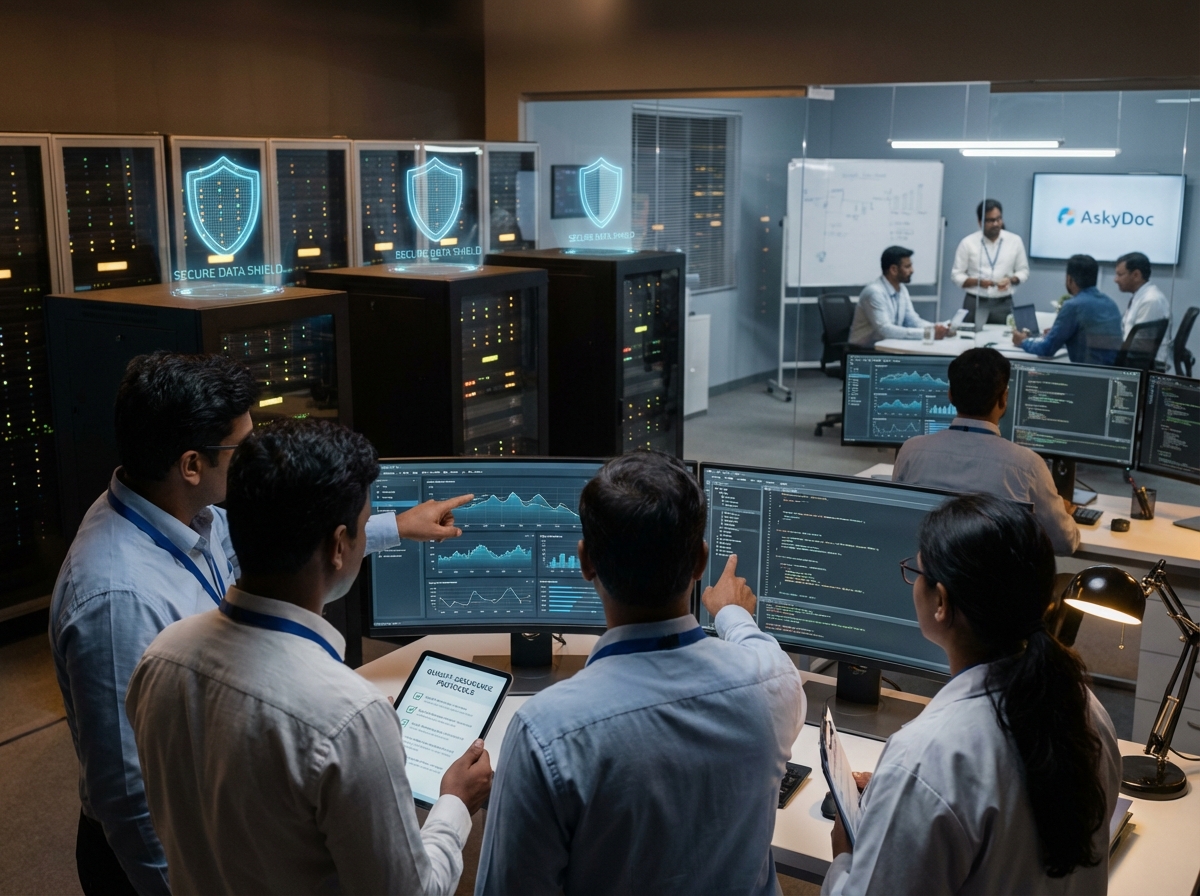
AskyDoc says it uses encryption and secure cloud storage to help protect patient information. For many users in India, that is a major trust factor in digital healthcare.

What secure infrastructure supports

  • Safe storage of consultation records
  • Protection of prescription data
  • Better continuity of care for future consultations
  • Reduced chances of unauthorized access

Good healthcare technology often works in the background. Patients may not see it directly, but it can still shape a safer care experience.

Read AskyDoc privacy and data protection information

4. Feedback monitoring and a patient-first refund policy

Quality does not end when a consultation is over. AskyDoc monitors patient feedback after each consultation to identify issues and improve service quality over time.

This creates accountability and shows that patient experience is part of the overall care model.

AskyDoc also mentions a refund policy for patients who are not satisfied. That can help build confidence by showing the platform addresses concerns after the appointment, not just before it.

5. AI-assisted record-keeping for better accuracy

AskyDoc uses artificial intelligence (AI) assisted record-keeping to support doctors in preparing e-prescriptions and maintaining consultation documentation.

According to the article, this can help reduce manual errors, improve prescription clarity, and keep records better organized. The stated role of AI here is to support doctors, not replace clinical decisions.

What this means for patients in India

For families, working professionals, students, and older adults across India, online healthcare is becoming a practical first step for many everyday medical needs.

But convenience works best when it is backed by trust. AskyDoc presents its model as a combination of verified doctors, telemedicine training, secure systems, feedback monitoring, and documentation support.

Patients should also remember that online consultations may not be suitable for every situation. For emergencies, severe symptoms, or urgent worsening of a condition, seek immediate in-person medical care and consult a qualified clinician.

A smarter way to choose online care

Before booking an online consultation, it helps to look beyond speed and convenience. Patients may want to check whether the platform explains how it verifies doctors, protects patient data, and handles feedback or support.

If you are looking for a digital healthcare option in India, AskyDoc presents itself as a platform built around safety, reliability, and patient trust.
Share the post

Emergency Teleconsult Triage by AskyDoc in India

How AskyDoc handles urgent online consults in India: rapid triage, safety-first advice, and immediate referral for life-threatening symptoms.

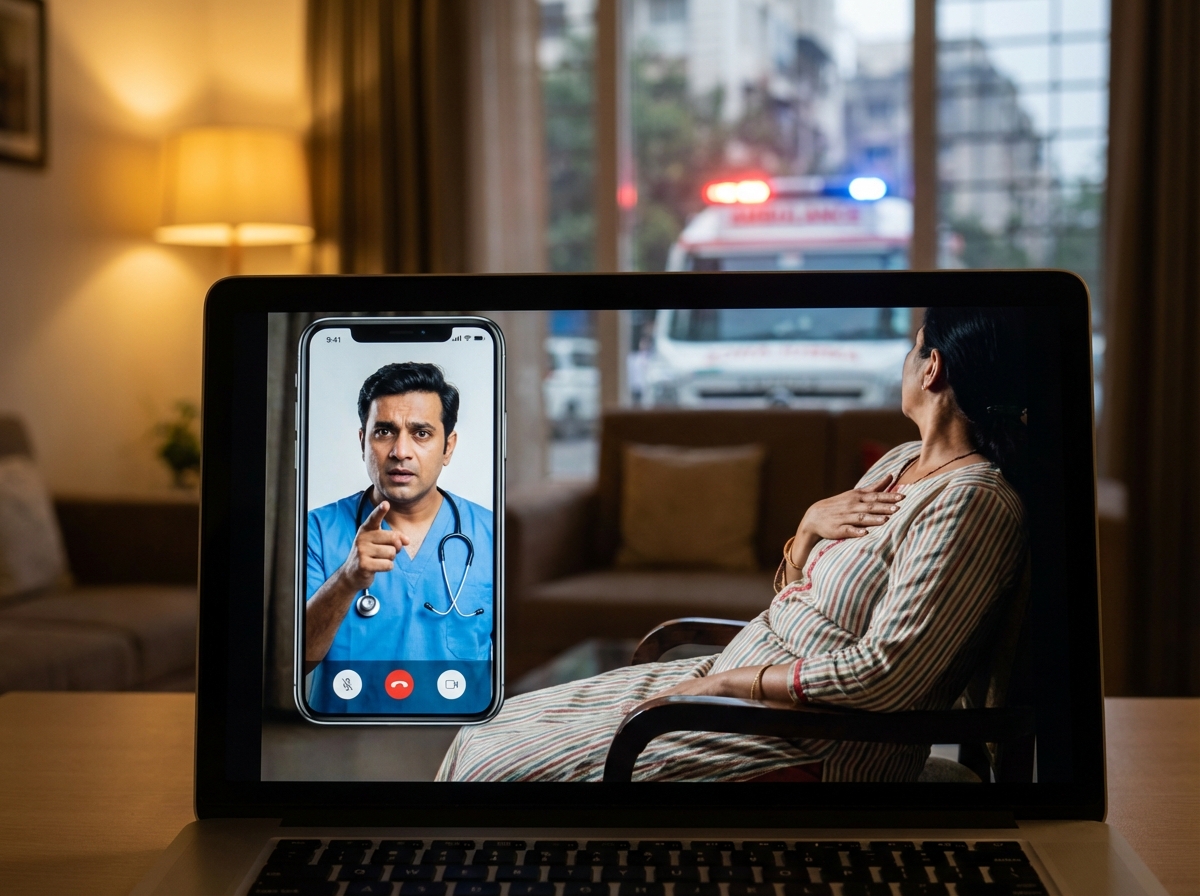
Direct answer: Yes, an online doctor can help when a health problem suddenly feels serious, but mainly by quickly deciding whether you need home guidance, same-day in-person care, or immediate emergency treatment. For life-threatening symptoms, AskyDoc’s role is to guide patients in India toward urgent hospital or ambulance care without delay.

Key Takeaways

  • Emergency teleconsultation is mainly for rapid triage, not replacing emergency treatment.
  • Life-threatening symptoms should be redirected to ambulance or hospital care immediately.
  • Urgent but non-critical symptoms may still receive short interim advice before in-person care.
  • Clear online triage can reduce hesitation and dangerous delays.
  • For non-emergency concerns, teleconsultation can often continue safely from home.

What this means for urgent online medical advice

AskyDoc follows a clear and responsible approach to urgent teleconsultation. If symptoms suggest a possible emergency, such as severe chest pain, signs of stroke, major injury, heavy bleeding, breathing difficulty, or loss of consciousness, the tele-doctor’s priority is to direct the patient toward immediate in-person emergency care.

That may include advising you to call an ambulance, go to the nearest hospital, or get urgent help from people nearby. If you are unsure, consult a qualified clinician promptly, and do not delay emergency care for severe or worsening symptoms.

How AskyDoc Handles Urgent Teleconsultation and Rapid Triage

The role of an emergency teleconsult is not to manage every case online. It begins with rapid triage, meaning the doctor quickly assesses whether the problem can be handled virtually, needs a same-day physical examination, or requires emergency intervention right away.

If a patient reports symptoms like crushing chest pain, facial drooping, sudden weakness on one side, uncontrolled bleeding, or a serious accident, AskyDoc’s tele-doctor will not spend unnecessary time online. The doctor may give initial safety advice, but the main instruction will be to seek emergency medical care immediately.

What this means in practical terms

Situation Likely next step
Life-threatening symptoms Immediate referral to emergency room or ambulance care
Urgent but not critical symptoms Brief interim advice until the patient reaches a clinic or hospital
Routine issues Often managed fully through teleconsultation

3 Important Things Patients in India Should Know

1. Teleconsultation is for guidance, not emergency replacement

This is the most important point. National telemedicine guidance makes it clear that virtual care is not suitable for major emergencies like heart attack, stroke, severe trauma, or heavy blood loss.

In those situations, digital consultation should help the patient act faster, not stay online longer.

2. Quick interim advice can still be valuable

Even when hospital care is needed, a tele-doctor may still help in the minutes before you leave. For example, the doctor may advise whether to avoid food or drink, what basic first-aid step to follow, which existing prescription medicine may be relevant, or what warning signs mean you should call an ambulance instead of arranging your own transport.

This can reduce confusion for families during a stressful moment.

3. Clear triage helps prevent dangerous delays

One of the biggest risks in emergencies is hesitation. People may wait, search online, ask relatives, or hope symptoms will disappear.

A proper urgent teleconsult can cut through that uncertainty by clearly saying, “This needs emergency care now.” That helps avoid false reassurance from trying to manage a serious condition remotely.

When You Should Not Rely Only on an Online Doctor Consultation

Seek emergency medical help immediately if you or someone near you has:

  • Severe chest pain or pressure
  • Sudden trouble speaking, confusion, or facial drooping
  • Breathing difficulty or a severe asthma attack
  • Heavy bleeding that does not stop
  • Seizures, fainting, or loss of consciousness
  • Major burns, fractures, or road accident injuries
  • Sudden severe allergic reaction

In these situations, the smartest use of telehealth is not to stay in a long consultation. It is to get fast direction and move toward emergency care immediately.

Medical safety note: If symptoms are severe, sudden, or rapidly worsening, consult emergency services or a clinician immediately rather than relying only on online advice.

Why Responsible Emergency Teleconsult Triage Builds Trust

A reliable telemedicine platform should know its limits. That is a strength, not a weakness.

AskyDoc’s handling of urgent cases shows that responsible digital healthcare means sending patients to the right level of care at the right time. For everyday health needs, online care is efficient. For emergencies, speed, escalation, and proper referral matter most.

If a symptom feels worrying but you are unsure what to do, AskyDoc can help you make that decision faster. If the issue is non-emergency, you can continue with convenient medical guidance from home.

If it is urgent, you will know the next step without delay. If you want dependable medical advice for non-emergency concerns—or quick triage when something feels off—Book an online doctor consultation with AskyDoc.

Share the post

AskyDoc vs Traditional Clinic: Cost and Time Savings Indian Patients Can’t Ignore

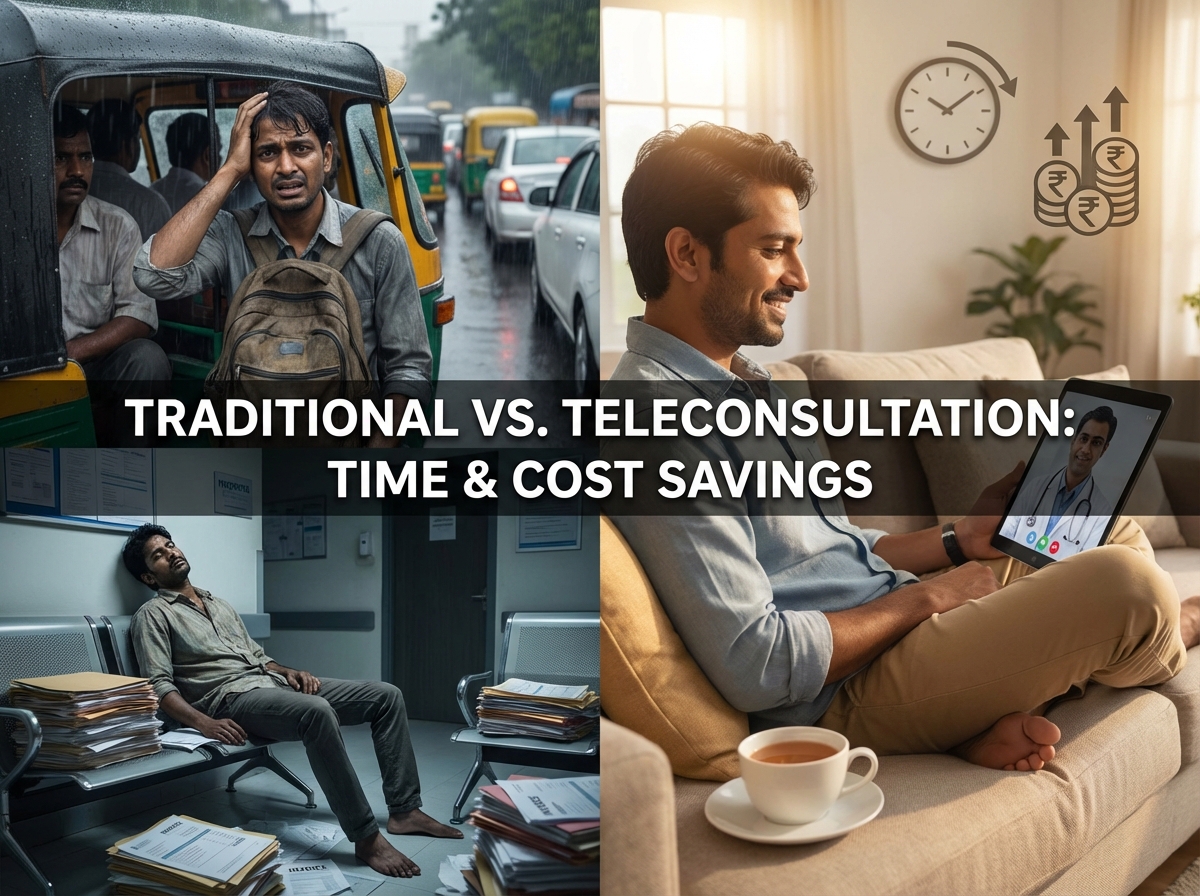
Direct answer: For many Indian patients with routine, non-emergency health concerns, an online consultation through AskyDoc can reduce travel, waiting time, and total out-of-pocket costs compared with a traditional clinic visit. In-person care still matters when a physical examination, tests, procedures, or urgent treatment are needed.

Key Takeaways

  • Online consultations can often be completed from home in 15 to 30 minutes.
  • Clinic visits may involve added costs such as travel, parking, lost wages, and childcare.
  • A published teleconsultation study reported average savings of 16 hours and about ₹400 in travel costs per visit.
  • AskyDoc may be practical for follow-ups, second opinions, routine concerns, and basic medical queries.
  • Urgent symptoms and conditions needing physical examination should be handled in person.

Why More Indian Patients Are Comparing Online Consultations with Clinic Visits

Healthcare decisions are not only about treatment. Many people also compare time efficiency, pricing clarity, and convenience when choosing between a traditional clinic and a digital healthcare platform such as AskyDoc.

The comparison goes beyond the doctor’s fee. A clinic visit may also include travel expenses, time away from work, long queues, and childcare costs, while an online consultation may be completed at home.

A published teleconsultation study reported average savings of 16 hours of time and around ₹400 in travel costs per visit compared with in-person appointments.

How Online Doctor Consultations Can Save Time for Indian Patients

A traditional clinic appointment often includes more than the consultation itself. Patients may need to get ready, travel through traffic, find parking, register, wait, and travel back home.

Even a simple clinic visit can take half a day or more. By contrast, AskyDoc allows patients to book a consult, connect by phone, and receive guidance without stepping outside.

Where the time savings come from

  • No commute through traffic or public transport delays
  • No waiting room delays before the consultation
  • No need to take a full day off for a short appointment
  • Faster access for routine medical advice

For working professionals, this may mean fewer disruptions to meetings and less risk of salary cuts. For homemakers, parents, caregivers, students, and older adults, it may make care easier to fit into daily life.

Online Consultation Cost Comparison Goes Beyond the Doctor’s Fee

Many people compare only the consultation fee. In practice, a traditional clinic visit often includes additional expenses that are easy to miss at first glance.

Common added costs in a traditional clinic visit

  • Transport or fuel expenses
  • Parking charges
  • Loss of wages from taking leave
  • Childcare or eldercare arrangements
  • Food and incidental expenses during travel

Quick comparison

Traditional clinic visit vs online consultation
Factor Traditional clinic AskyDoc online consultation
Travel Usually required Not required
Waiting time Often involved Usually lower
Hidden costs May include parking, fuel, lost wages, childcare Often limited to the consultation fee
Pricing clarity May vary by visit context Upfront pricing described as transparent

AskyDoc removes many of these added costs. The platform’s upfront pricing is transparent, and patients typically pay for the consultation they need.

Even when the consultation fee looks similar, the total out-of-pocket cost may be lower with online care.

Why Convenience Matters in Routine Healthcare Decisions

One reason patients delay care is that visiting a clinic can feel time-consuming and difficult to schedule. When access becomes easier, people may be more likely to seek help earlier for routine concerns.

In this context, routine concerns may include mild symptoms, medication reviews, lifestyle guidance, mental health support, and follow-up discussions.

AskyDoc helps make healthcare feel more manageable. Instead of postponing care because a hospital or clinic trip feels inconvenient, patients can connect sooner and get direction early.

When a Traditional Clinic Visit Still Makes More Sense

Online consultations are not suitable for every situation. Some cases require a physical examination, diagnostic tests, emergency care, or procedures.

If a patient has severe pain, breathing difficulty, heavy bleeding, chest pain, or another urgent condition, in-person medical attention should not be delayed.

The practical question is not simply online versus offline. It is knowing when digital care is efficient and when in-person care is necessary.

Medical safety note: If symptoms are severe, worsening, or urgent, seek immediate in-person care and consult a qualified clinician.

The Real Comparison: More Control, Less Hassle

For many Indian patients, the difference is straightforward. One option may take hours and include extra spending, while the other may be completed from home with less disruption to the day.

If your concern does not need a physical visit, choosing AskyDoc can mean less travel, lower overall expense, and quicker access to care. That can be a practical way to plan routine healthcare when every hour and every rupee matters.

If you are deciding between a routine clinic visit and an online consultation, ask whether the issue truly requires an in-person visit. If not, this may be the right time to book your online doctor appointment with AskyDoc.

Sources

  • Telepsychiatry Study (2021)
  • Telehealth Review (2024)

Share the post

How Air Pollution in Indian Cities Affects Health

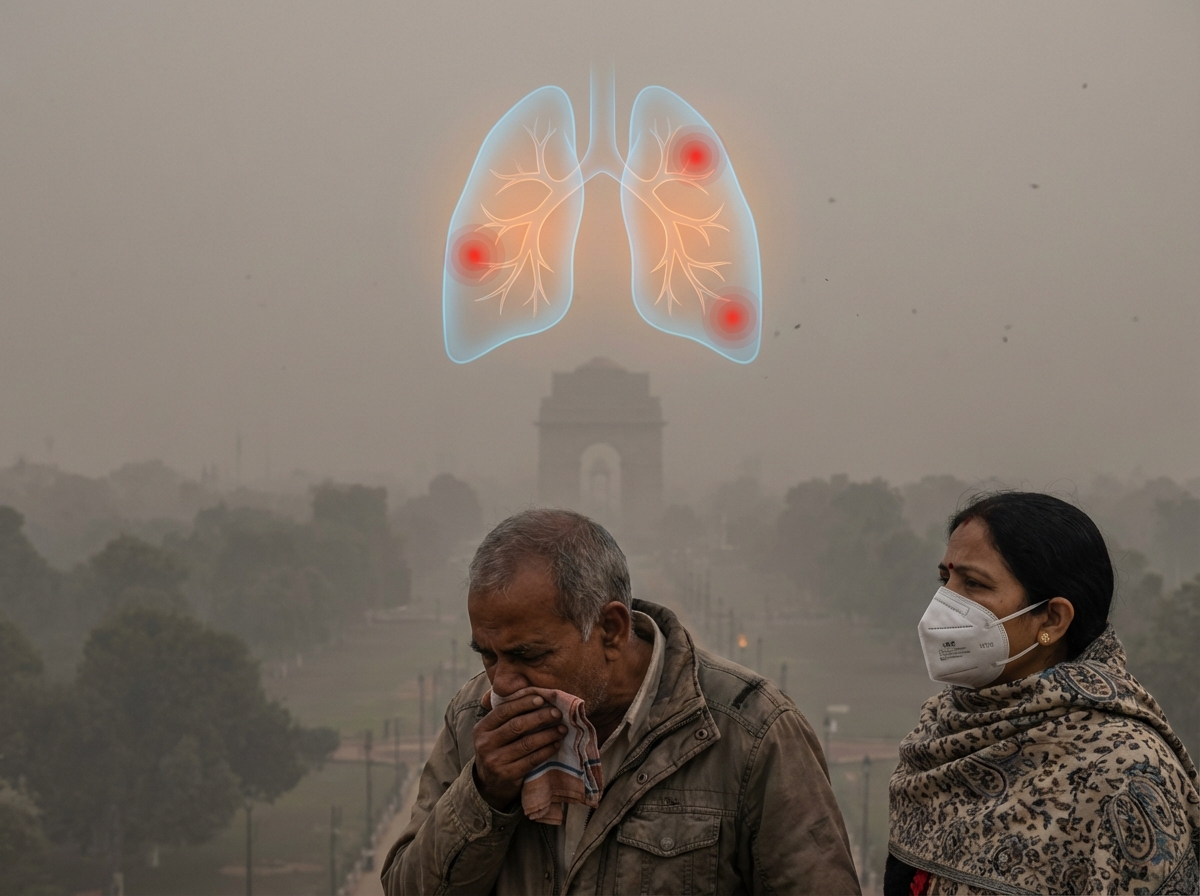
Air pollution in Indian cities can irritate the eyes, throat, and lungs, and may raise long-term health risks. Learn symptoms, risks, and precautions.

Direct answer: Air pollution in Indian cities can cause daily symptoms such as dry eyes, coughing, throat irritation, headaches, and breathlessness. Over time, repeated exposure may affect the lungs, heart, eyes, skin, and overall health, especially in children, older adults, and people with existing conditions.

At a glance

  • Intended audience: Urban residents in India, parents, older adults, outdoor workers, and people with asthma, chronic obstructive pulmonary disease (COPD), sinus issues, or heart disease
  • Location relevance: India-focused, especially densely populated cities such as Delhi and other metros
  • Reading time: 4 minutes

Key Takeaways

  • Air pollution in Indian cities may trigger cough, throat irritation, dry or burning eyes, headaches, fatigue, wheezing, and breathlessness.
  • Fine particulate matter, especially PM2.5, can reach deep into the lungs and may enter the bloodstream.
  • Children, older adults, pregnant women, outdoor workers, and people with asthma or heart and lung disease may face higher risks.
  • Indoor air may also be affected when outdoor air quality is poor.
  • Checking the Air Quality Index (AQI), using an N95 mask, and reducing exposure on high-smog days may help.

Why urban smog in Indian cities may be more dangerous than it looks

Smog contains a mix of harmful particles and gases, especially PM2.5, which means particulate matter that is 2.5 micrometres or smaller. These tiny pollutants are small enough to enter deep into the lungs and may even reach the bloodstream.

That is why exposure may do more than trigger coughing or sneezing. Over time, it may contribute to more serious health problems.

Health experts have linked prolonged exposure to polluted air with asthma, bronchitis, reduced lung function, heart disease, stroke, and lung cancer. According to the Clean Air Fund, India sees around 2.1 million premature deaths every year related to dirty air. This suggests air pollution is a major public health concern, not just a seasonal inconvenience.

Common health effects of air pollution people are noticing right now

Doctors are reporting that even otherwise healthy people living in heavily polluted Indian cities may develop symptoms during high-smog periods. These signs may seem mild at first, but repeated exposure can make them worse.

  • Persistent cough and throat irritation
  • Burning or dry eyes
  • Headaches and fatigue
  • Wheezing or shortness of breath
  • Allergic flare-ups and skin irritation

Many people describe it as feeling like they are breathing in smoke every day. In some reports, heavy exposure to city pollution has been compared to smoking several cigarettes a day, even in people who have never used tobacco.

Who is most at risk from air pollution?

Children and older adults may need extra protection

Children are especially vulnerable because their lungs are still developing. Pediatricians in high-PM2.5 cities are seeing more cases of wheezing, allergic bronchitis, and breathing difficulty.

Older adults, especially those with pre-existing heart or lung disease, may experience worsening symptoms during pollution spikes.

Pregnant women, outdoor workers, and people with asthma, sinus issues, chronic obstructive pulmonary disease (COPD), or heart disease may also face higher risks. But the wider concern is simple: no one is fully immune. Even healthy adults can feel the effects after repeated exposure.

Daily precautions that may help reduce exposure

1. Air pollution affects more than the lungs

Most people connect smog with asthma or coughing, but polluted air may also increase inflammation in the body and raise the risk of heart attacks and stroke.

2. Indoor air is not always safe

If outdoor air quality is poor, indoor spaces can also collect pollutants, especially in homes near traffic-heavy roads or waste-burning areas. Closed windows alone are not always enough.

3. Practical steps for polluted days

You may not be able to control citywide pollution on your own, but you can lower your exposure with simple habits.

  • Wear a N95 mask on very polluted days
  • Use an air purifier indoors if possible
  • Check the Air Quality Index (AQI) before outdoor exercise
  • Eat antioxidant-rich foods like fruits, vegetables, nuts, and seeds
  • Stay hydrated and wash your face and eyes after coming home

What needs to change at the city level to reduce air pollution?

Individual precautions matter, but they are only part of the answer. Lasting improvement depends on reducing vehicular emissions, construction dust, industrial pollution, and open burning of waste.

Cleaner transport, better enforcement, and stronger public awareness are all important. Most importantly, people should stop normalizing smog. If the air is making your family feel unwell, that is not something to simply adjust to.

When to take pollution-related symptoms seriously

If you or your child have frequent coughing, breathlessness, burning eyes, recurring throat irritation, or worsening asthma during pollution peaks, do not ignore it. Early medical advice may help prevent complications.

Safety note: This content is informational and is not a substitute for medical care. Consult a qualified clinician if symptoms are persistent, worsening, or severe.

If you are unsure whether your symptoms are related to air pollution, consider speaking with a qualified doctor through AskyDoc online doctor consultation for timely guidance.

Share the post

Online Counseling Is Reducing Mental Health Stigma in India

Online counseling is helping reduce mental health stigma in India by offering private, convenient support that may feel easier to access.

Direct answer: Online counseling is helping reduce mental health stigma in India by making support feel more private, accessible, and less intimidating. For many people, speaking to a qualified mental health professional from home may feel easier than visiting a clinic in person.

Key takeaways

  • Online counseling can make mental health support feel more private and approachable in India.
  • Stigma, fear of judgment, and social pressure still stop many people from seeking help.
  • Teletherapy can reduce barriers by allowing people to speak to a professional from home.
  • Language options and convenience may make counseling feel more inclusive across Indian cities and smaller towns.
  • Growing familiarity with remote healthcare is helping more people feel comfortable with online mental health care.

Why this matters in India

Many people in India still hesitate to talk about stress, anxiety, relationship problems, or other mental health concerns because of fear, shame, or social judgment. The phrase “log kya kahenge” reflects this pressure clearly.

This is why online counseling matters. When therapy is available by phone or laptop, the first step may feel less intimidating and more private.

How online counseling reduces barriers to support

For many Indians, the biggest barrier is not only access. It is stigma.

People may worry about being seen entering a clinic, being questioned by family members, or being labeled as weak. Online counseling can reduce some of this pressure by allowing a person to book a session discreetly and speak to a qualified professional without drawing attention.

This can be especially helpful for students, working professionals, women in restrictive households, and people living in smaller towns.

1. Privacy may encourage earlier help-seeking

Many people wait until stress becomes overwhelming before asking for help. Online counseling can make it easier to act sooner.

Instead of hiding symptoms of burnout, sadness, panic, or loneliness, some people may feel more comfortable connecting with a therapist discreetly.

Concerns people may discuss in online counseling

  • Work stress and burnout
  • Anxiety and overthinking
  • Depression symptoms
  • Relationship and family issues
  • Academic pressure among youth

When support feels safe and confidential, people may be more likely to reach out before concerns become harder to manage.

2. Language and convenience can make therapy feel more inclusive

Another major advantage is accessibility. Many online platforms now offer counseling in English and regional languages, which can make therapy easier to understand and more culturally relatable.

This matters in a country as diverse as India. Convenience also matters: no travel, no waiting room, and often no need to take half a day off.

Whether someone lives in Mumbai, Patna, Kochi, or a smaller town, they may be able to find support with just a few taps. For younger Indians who are already comfortable communicating online, this format can feel natural.

3. People are becoming more comfortable with teletherapy

Teletherapy, or therapy provided remotely using phone or internet-based sessions, once felt unfamiliar to many people. Early skepticism about whether virtual sessions could feel meaningful is understandable.

However, research suggests that patients often report increasing satisfaction with telepsychiatry over time. Once people experience a helpful session, trust may begin to build.

The pandemic also helped normalize remote healthcare. Speaking to doctors, therapists, and wellness experts online now feels practical for many families across India.

The role of workplaces and changing social attitudes

Employers in India are also gradually recognizing that mental well-being can affect productivity, retention, and morale. More companies are offering employee assistance programs, wellness check-ins, and online counseling support for teams dealing with work pressure.

This matters because workplace stress is real, and many employees may never visit a clinic on their own. If an online counseling session is offered through work, it can lower the barrier and send an important message: mental health support is normal.

As more people share positive therapy experiences, older stigma may begin to weaken. Change may be gradual, but it is visible.

Mental health support should feel safe, respectful, and easy to access

The real breakthrough is not only technology. It is what technology can make possible: dignity, privacy, and a chance to ask for help without fear.

Online counseling is not a complete solution to every mental health challenge in India, but it is opening doors that were once harder to access.

If you or someone close to you has been silently struggling, this may be a practical time to begin. A conversation with a qualified professional may offer clarity, coping strategies, and support.

Safety note: Online information is not a substitute for personal medical advice. If symptoms feel severe, persistent, or urgent, consult a qualified clinician or seek immediate help from local emergency services.

If you are ready to take the first step, book an online counseling appointment with AskyDoc to connect with support in a safe and convenient way.

Share the post