Teleconsults for Delivery Prep: What They Can Do
Teleconsultations can help expecting parents in India prepare for delivery, but they cannot replace in-person maternity care or emergency treatment.
Preparing for Delivery: What Teleconsults Can and Cannot Do for Expecting Parents
Direct answer: Teleconsultations can help expecting parents in India prepare for labour by answering questions, reviewing birth plans, and explaining warning signs. But telemedicine cannot replace in-person maternity care, hands-on examination, fetal monitoring, or emergency treatment during labour.
At a glance
- Intended audience: Expecting parents, especially those in late pregnancy
- Location relevance: India-focused
- Reading time: 4 minutes
Key Takeaways
- Teleconsultations are useful for delivery preparation, especially in the final weeks of pregnancy.
- They can help with birth planning, prenatal education, and coordination with specialists.
- Virtual care is convenient because families can speak to clinicians from home.
- Telemedicine does not replace in-person delivery care or urgent obstetric treatment.
- Warning signs such as heavy bleeding or reduced fetal movement need immediate hospital care.
What this means for expecting parents
As the due date gets closer, many expecting parents in India have last-minute questions about labour, hospital admission, pain relief, and recovery. This is where teleconsultations can be genuinely helpful.
A quick video call with your obstetrician, childbirth educator, or hospital team may help clear doubts, reduce anxiety, and help you feel more prepared before delivery.
How teleconsultations help you prepare for delivery in late pregnancy
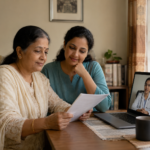
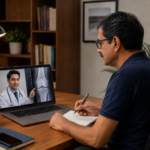
One of the biggest advantages of a teleconsultation is convenience. Instead of travelling in late pregnancy, parents can speak to specialists from home and get answers to important questions without unnecessary stress.
1. Birth planning becomes easier
Teleconsultations are useful for discussing your birth plan. You can ask about labour signs, pain relief options, induction, Caesarean section (C-section) planning, hospital admission timing, and what to expect after delivery.
For example, your doctor may explain when it is time to go to the hospital, such as when contractions are around 5 minutes apart, your water breaks, or fetal movements feel reduced.
This kind of conversation can help couples feel less overwhelmed and helps ensure that the pregnant woman and her family are on the same page.
2. Prenatal education can happen from home
Many hospitals and maternity centres now offer online prenatal classes. These may cover the basics of labour, delivery, breastfeeding, and recovery.
- Breathing and relaxation techniques during labour
- Pain relief options, including epidural information
- Basics of breastfeeding and newborn care
- What happens during vaginal delivery or C-section
- Post-delivery recovery tips for the mother
These sessions are especially useful for first-time parents. They may improve confidence and make the delivery process feel less intimidating.
3. Better coordination with specialists before delivery
Another benefit is that teleconsultations can connect you with professionals you may meet during delivery, such as an anaesthesiologist or paediatrician. This can mean fewer surprises later.
If a C-section is possible or if the baby may need special attention after birth, these pre-delivery discussions can be reassuring.
During the COVID-19 period, telehealth also proved useful for final prenatal reviews, planning induction dates, and deciding the right timing for hospital visits while reducing unnecessary crowding. That experience showed how digital care can support thoughtful and safer delivery planning.
What teleconsultations cannot do during labour and emergencies
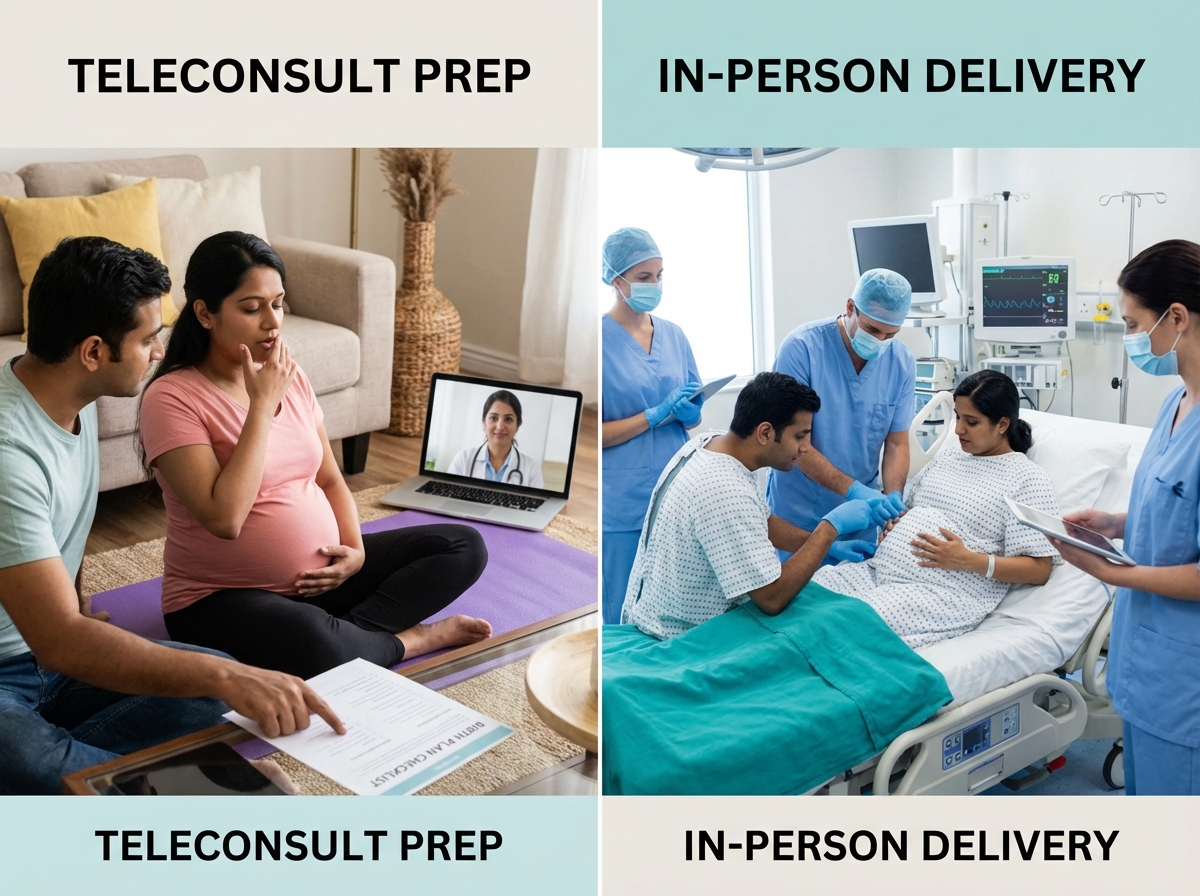
Even though virtual care is helpful, it has clear limits. The actual delivery must happen in person under medical supervision.
No video consultation can replace hands-on examination, fetal monitoring, blood pressure checks during emergencies, or immediate intervention during complications.
Teleconsultation vs in-person maternity care
| What teleconsultation can do | What requires in-person care |
|---|---|
| Answer questions about labour and delivery | Conduct hands-on examination |
| Review your birth plan | Monitor the fetus during labour |
| Explain warning signs and next steps | Check blood pressure during emergencies |
| Coordinate with specialists before delivery | Provide immediate treatment for complications |
Seek hospital care immediately if you have:
- Heavy bleeding
- Very high blood pressure or severe headache
- Sudden swelling with warning symptoms
- Reduced fetal movement
- Severe abdominal pain
- Labour progressing rapidly
- Any emergency your doctor has already warned you about
In these situations, tele-advice should never delay urgent treatment. Virtual care is a guide, not a substitute for emergency obstetric care.
Medical safety note: If any of these symptoms happen, contact your clinician and go to the hospital immediately. Do not rely only on a video call during an emergency.
Digital tools that can support delivery preparation
Besides doctor calls, digital tools can help expecting parents stay organised in the final days. Apps and hospital portals may remind you to keep your medical documents ready, prepare your hospital bag checklist, review your reports, and finalise your birth plan.
These small steps can save time when labour starts in earnest.
For Indian families, this can be particularly valuable because many deliveries involve coordination among family members, transport planning, hospital admissions, and financial paperwork. Getting these details sorted in advance may help reduce panic later.
Virtual pregnancy preparation works best when you know its role
The best way to think about telemedicine in late pregnancy is this: it is a preparation partner. It helps you ask last-minute questions, understand the process, learn warning signs, and feel emotionally ready.
But once labour truly begins, or if something seems wrong, hands-on medical care is essential.
If your due date is near and you still have doubts, now may be the right time to clarify them. A timely virtual consultation can help you plan better, stay calmer, and know when to head to the hospital.
If you want trusted guidance before delivery, book an appointment through AskyDoc to connect with a relevant doctor.