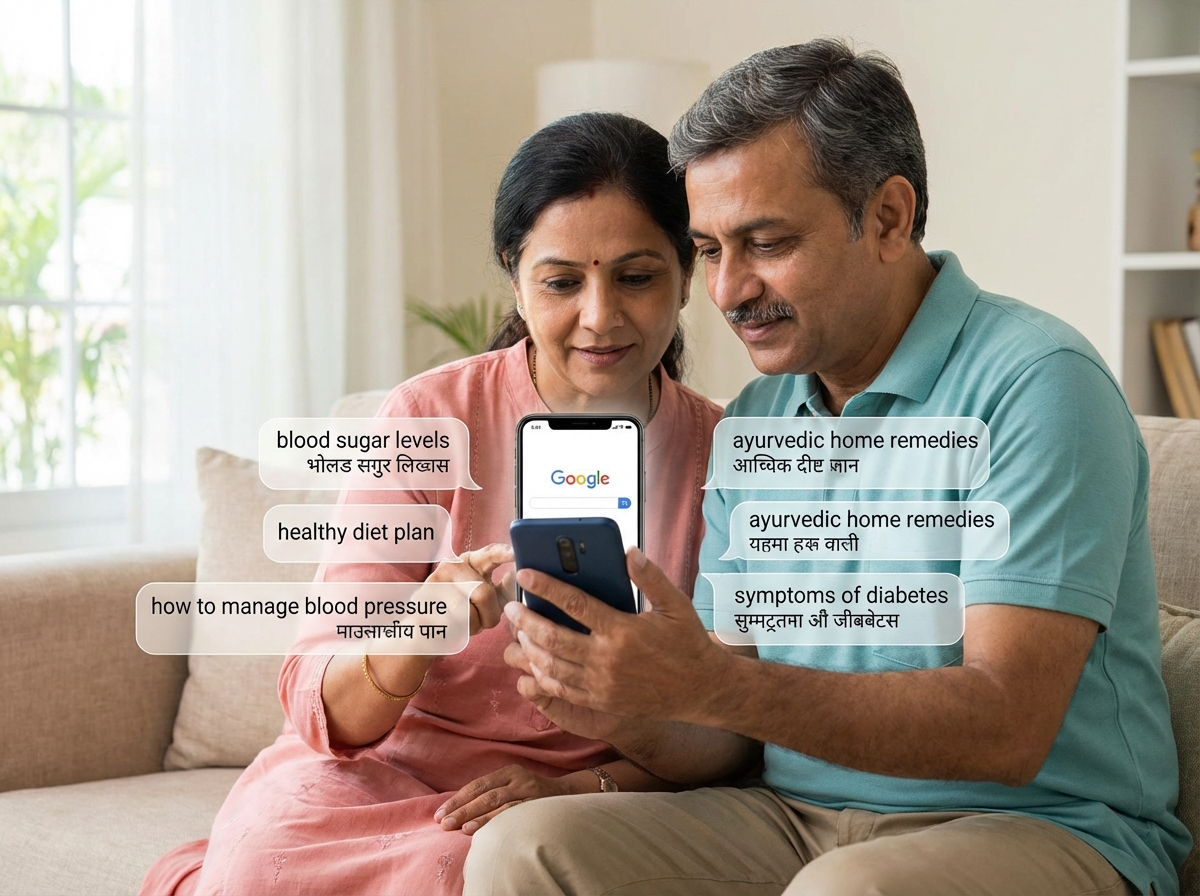
Top 10 Health Questions Indians Ask Online in 2025
India’s top 2025 health searches included diabetes, blood pressure, cholesterol, thyroid, weight loss, and when to see a doctor.
Direct answer: In India, many of the most searched health questions in 2025 were about diabetes, blood pressure, cholesterol, thyroid concerns, weight loss, kidney stones, fatigue, and when symptoms need a doctor. These searches show that people want quick, trustworthy guidance, but online information should support—not replace—medical advice.
Key Takeaways
- India’s top health searches in 2025 focused on common lifestyle-related concerns.
- Blood sugar, blood pressure, cholesterol, thyroid health, and weight loss were major topics.
- People often search online first for quick answers before visiting a doctor.
- Searches can help with awareness, but they cannot confirm a diagnosis.
- Warning signs like chest pain, breathing trouble, or blood in urine need medical attention.
Why these health questions are trending in India
In India, the rise in online health queries is closely linked to changing lifestyles. Long work hours, lower physical activity, stress, processed food, and irregular sleep are making conditions like high blood pressure, diabetes, obesity, and high cholesterol more common.
Three reasons may explain this trend:
- Lifestyle diseases are increasing in both cities and smaller towns.
- People want instant answers before deciding whether to visit a doctor.
- Preventive health awareness is growing, especially among younger Indians.
Top 10 health questions Indians ask online
1. What is a normal sugar level?
This is one of the most searched health questions in India. Blood sugar levels can help indicate whether someone may be at risk of prediabetes or diabetes.
Doctors usually check fasting blood sugar and post-meal sugar levels to understand control. One reading alone is not enough for diagnosis, and a doctor may also recommend a HbA1c test for a broader picture.
2. What is high blood pressure?
High blood pressure is also called hypertension. It usually has no obvious symptoms, which is why it is often described as a silent problem.
If left unmanaged, it can affect the heart, brain, and kidneys. Regular blood pressure (BP) checks are important, especially if you have stress, a family history, excess weight, or a high-salt diet.
3. How to lower cholesterol?
People often search this after a routine blood test. The first line of action usually includes cutting down fried foods, reducing trans fats, exercising regularly, and increasing fibre intake.
In some cases, medicine may also be needed depending on heart risk and lipid levels. A doctor can help decide the right plan based on your reports.
4. How can I prevent diabetes?
This question reflects rising awareness. Prevention often starts with simple habits: maintaining a healthy weight, walking daily, limiting sugary drinks, sleeping well, and getting regular health check-ups.
Family history matters too, so prevention may need to start early.
5. What are kidney stone symptoms?
Many people search this when they experience sharp side pain, burning urination, nausea, or blood in urine. Kidney stones can range from tiny crystals to larger stones that need medical treatment.
Drinking enough water is important, but persistent symptoms should not be ignored.
6. What is the best diet for thyroid?
Thyroid-related searches are common, especially among women. There is no single miracle diet, but balanced nutrition matters.
Iodine, selenium, protein, and iron can play a role. Treatment should depend on whether the issue is hypothyroidism or hyperthyroidism, and self-treatment based on social media advice can be risky.
7. How to lose weight safely?
Crash diets may trend online, but sustainable weight loss usually comes from portion control, strength training, walking, protein-rich meals, and consistency.
Quick fixes often fail because they are too extreme for daily Indian life.
8. What causes sudden fatigue?
Fatigue is a very common concern. It may be linked to poor sleep, stress, anaemia, thyroid problems, blood sugar imbalance, vitamin deficiencies, or infection.
If tiredness continues for weeks, it deserves proper evaluation.
9. What foods are good for heart health?
Searches around heart-friendly diets have increased because more Indians understand the link between food and long-term health.
A practical Indian heart-healthy plate includes vegetables, dal, whole grains, nuts, fruits, and less oily, salty, packaged food.
10. When should I see a doctor instead of Googling symptoms?
This may be the most important question of all. Online information is useful for awareness, but symptoms like chest pain, severe headache, breathing trouble, fainting, high fever, blood in urine or stool, or sudden weakness need real medical attention quickly.
Safety note: If symptoms are severe, sudden, or persistent, consult a qualified clinician instead of relying only on online information.
Quick summary of the most searched questions
| Question | Main concern | Helpful next step |
|---|---|---|
| Normal sugar level | Prediabetes or diabetes risk | Check readings and discuss with a doctor |
| High blood pressure | Silent health risk | Monitor BP regularly |
| Lower cholesterol | Heart health | Improve diet, activity, and review reports |
| Prevent diabetes | Lifestyle prevention | Build healthy daily habits |
| Kidney stone symptoms | Pain and urinary symptoms | Do not ignore persistent symptoms |
| Best diet for thyroid | Nutrition and thyroid condition type | Avoid self-treatment and seek guidance |
| Lose weight safely | Sustainable weight loss | Focus on realistic long-term habits |
| Sudden fatigue | Possible medical or lifestyle causes | Get evaluated if it continues |
| Foods for heart health | Diet quality | Choose a balanced Indian plate |
| When to see a doctor | Urgent warning signs | Seek medical care promptly |
What Indians should learn from these health search trends
The biggest insight is simple: people are not just searching for disease information, they are searching for control. They want to know what is happening in their body and what they can do next.
That is why trustworthy digital health content matters so much. If you are checking symptoms online, use that information as a starting point, not a final diagnosis.
Keep track of your readings, note your symptoms, and ask better questions during your consultation. That approach can save time and support better care.
Your next step: get the right advice, not just quick answers
If you have been searching about sugar levels, blood pressure, cholesterol, thyroid, or weight concerns, do not stop at online reading. Turn that question into action.
Book a consultation through AskyDoc and speak with a qualified doctor who can guide you based on your age, lifestyle, symptoms, and test reports. A smart search is good. A medical opinion is better.