Uncategorized - AskyDoc | Asky Doctor | Virtual clinic connecting patients with doctors | Telemedicine | India

AskyDoc vs Traditional Clinic: Cost and Time Savings Indian Patients Can’t Ignore

Direct answer: For many Indian patients with routine, non-emergency health concerns, an online consultation through AskyDoc can reduce travel, waiting time, and total out-of-pocket costs compared with a traditional clinic visit. In-person care still matters when a physical examination, tests, procedures, or urgent treatment are needed.

Key Takeaways

  • Online consultations can often be completed from home in 15 to 30 minutes.
  • Clinic visits may involve added costs such as travel, parking, lost wages, and childcare.
  • A published teleconsultation study reported average savings of 16 hours and about ₹400 in travel costs per visit.
  • AskyDoc may be practical for follow-ups, second opinions, routine concerns, and basic medical queries.
  • Urgent symptoms and conditions needing physical examination should be handled in person.

Why More Indian Patients Are Comparing Online Consultations with Clinic Visits

Healthcare decisions are not only about treatment. Many people also compare time efficiency, pricing clarity, and convenience when choosing between a traditional clinic and a digital healthcare platform such as AskyDoc.

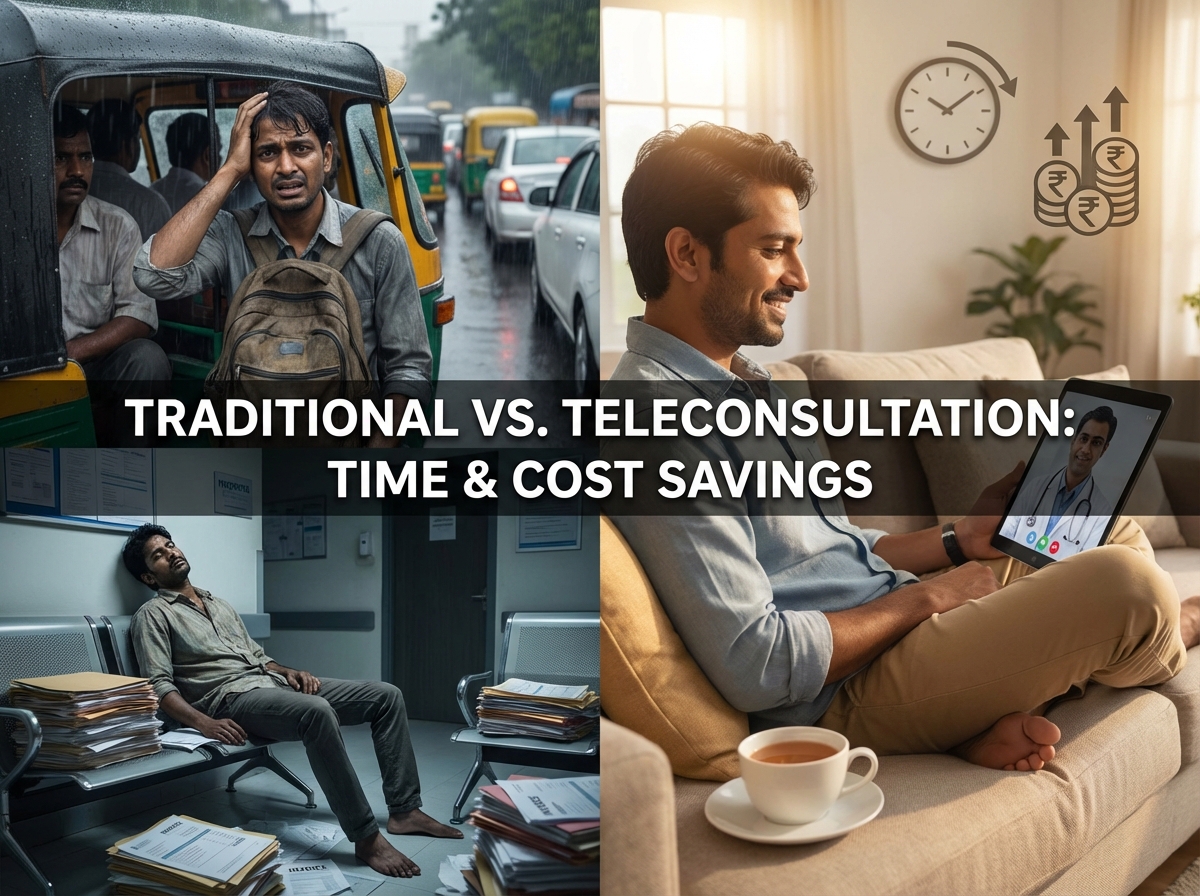
The comparison goes beyond the doctor’s fee. A clinic visit may also include travel expenses, time away from work, long queues, and childcare costs, while an online consultation may be completed at home.

A published teleconsultation study reported average savings of 16 hours of time and around ₹400 in travel costs per visit compared with in-person appointments.

How Online Doctor Consultations Can Save Time for Indian Patients

A traditional clinic appointment often includes more than the consultation itself. Patients may need to get ready, travel through traffic, find parking, register, wait, and travel back home.

Even a simple clinic visit can take half a day or more. By contrast, AskyDoc allows patients to book a consult, connect by phone, and receive guidance without stepping outside.

Where the time savings come from

  • No commute through traffic or public transport delays
  • No waiting room delays before the consultation
  • No need to take a full day off for a short appointment
  • Faster access for routine medical advice

For working professionals, this may mean fewer disruptions to meetings and less risk of salary cuts. For homemakers, parents, caregivers, students, and older adults, it may make care easier to fit into daily life.

Online Consultation Cost Comparison Goes Beyond the Doctor’s Fee

Many people compare only the consultation fee. In practice, a traditional clinic visit often includes additional expenses that are easy to miss at first glance.

Common added costs in a traditional clinic visit

  • Transport or fuel expenses
  • Parking charges
  • Loss of wages from taking leave
  • Childcare or eldercare arrangements
  • Food and incidental expenses during travel

Quick comparison

Traditional clinic visit vs online consultation
Factor Traditional clinic AskyDoc online consultation
Travel Usually required Not required
Waiting time Often involved Usually lower
Hidden costs May include parking, fuel, lost wages, childcare Often limited to the consultation fee
Pricing clarity May vary by visit context Upfront pricing described as transparent

AskyDoc removes many of these added costs. The platform’s upfront pricing is transparent, and patients typically pay for the consultation they need.

Even when the consultation fee looks similar, the total out-of-pocket cost may be lower with online care.

Why Convenience Matters in Routine Healthcare Decisions

One reason patients delay care is that visiting a clinic can feel time-consuming and difficult to schedule. When access becomes easier, people may be more likely to seek help earlier for routine concerns.

In this context, routine concerns may include mild symptoms, medication reviews, lifestyle guidance, mental health support, and follow-up discussions.

AskyDoc helps make healthcare feel more manageable. Instead of postponing care because a hospital or clinic trip feels inconvenient, patients can connect sooner and get direction early.

When a Traditional Clinic Visit Still Makes More Sense

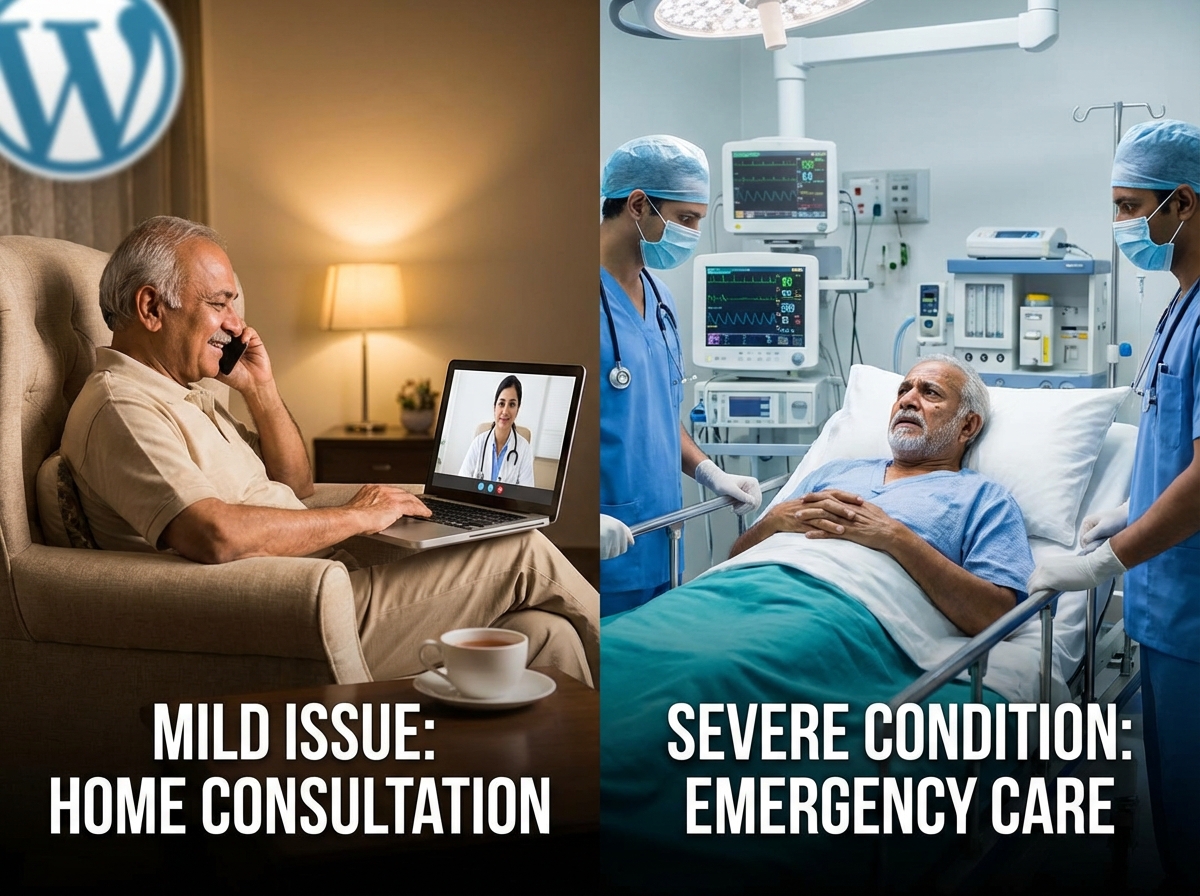
Online consultations are not suitable for every situation. Some cases require a physical examination, diagnostic tests, emergency care, or procedures.

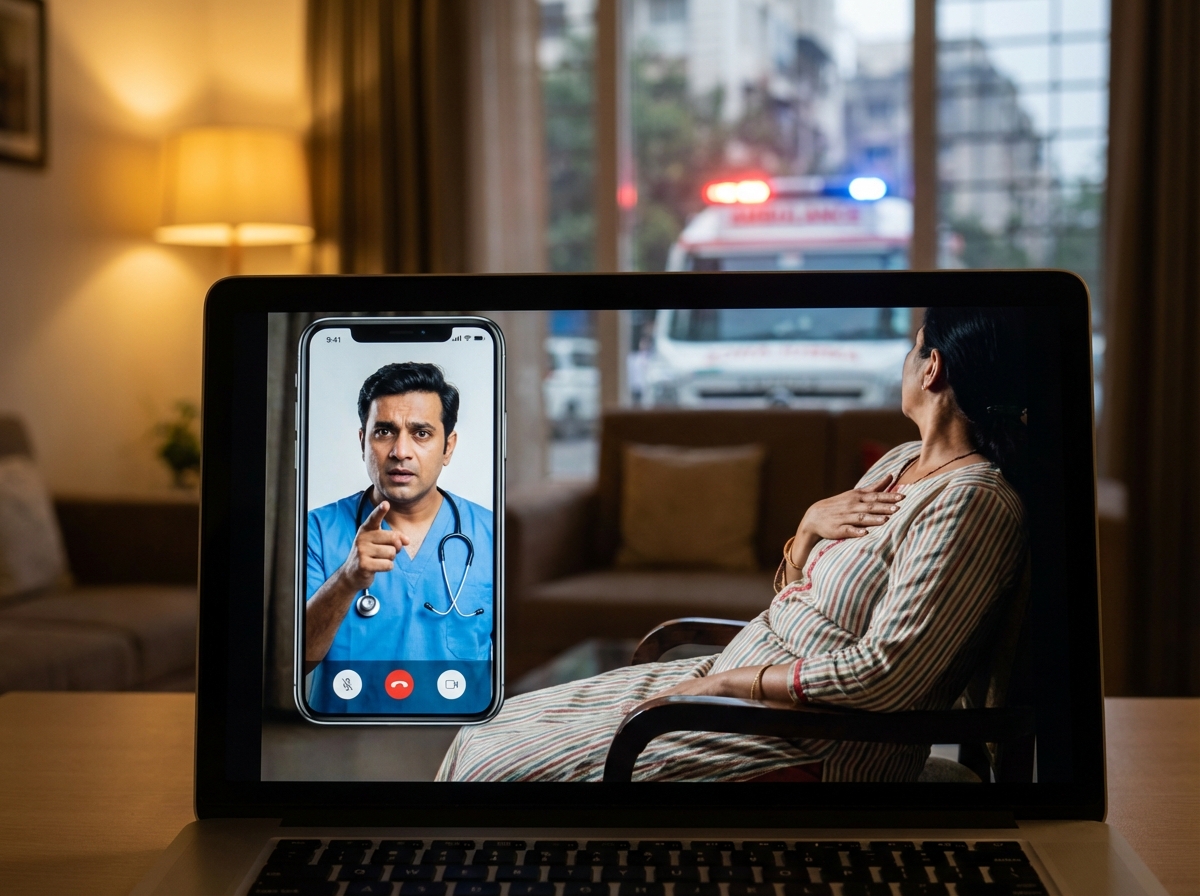
If a patient has severe pain, breathing difficulty, heavy bleeding, chest pain, or another urgent condition, in-person medical attention should not be delayed.

The practical question is not simply online versus offline. It is knowing when digital care is efficient and when in-person care is necessary.

Medical safety note: If symptoms are severe, worsening, or urgent, seek immediate in-person care and consult a qualified clinician.

The Real Comparison: More Control, Less Hassle

For many Indian patients, the difference is straightforward. One option may take hours and include extra spending, while the other may be completed from home with less disruption to the day.

If your concern does not need a physical visit, choosing AskyDoc can mean less travel, lower overall expense, and quicker access to care. That can be a practical way to plan routine healthcare when every hour and every rupee matters.

If you are deciding between a routine clinic visit and an online consultation, ask whether the issue truly requires an in-person visit. If not, this may be the right time to book your online doctor appointment with AskyDoc.

Sources

  • Telepsychiatry Study (2021)
  • Telehealth Review (2024)

Share the post

How Air Pollution in Indian Cities Affects Health

Air pollution in Indian cities can irritate the eyes, throat, and lungs, and may raise long-term health risks. Learn symptoms, risks, and precautions.

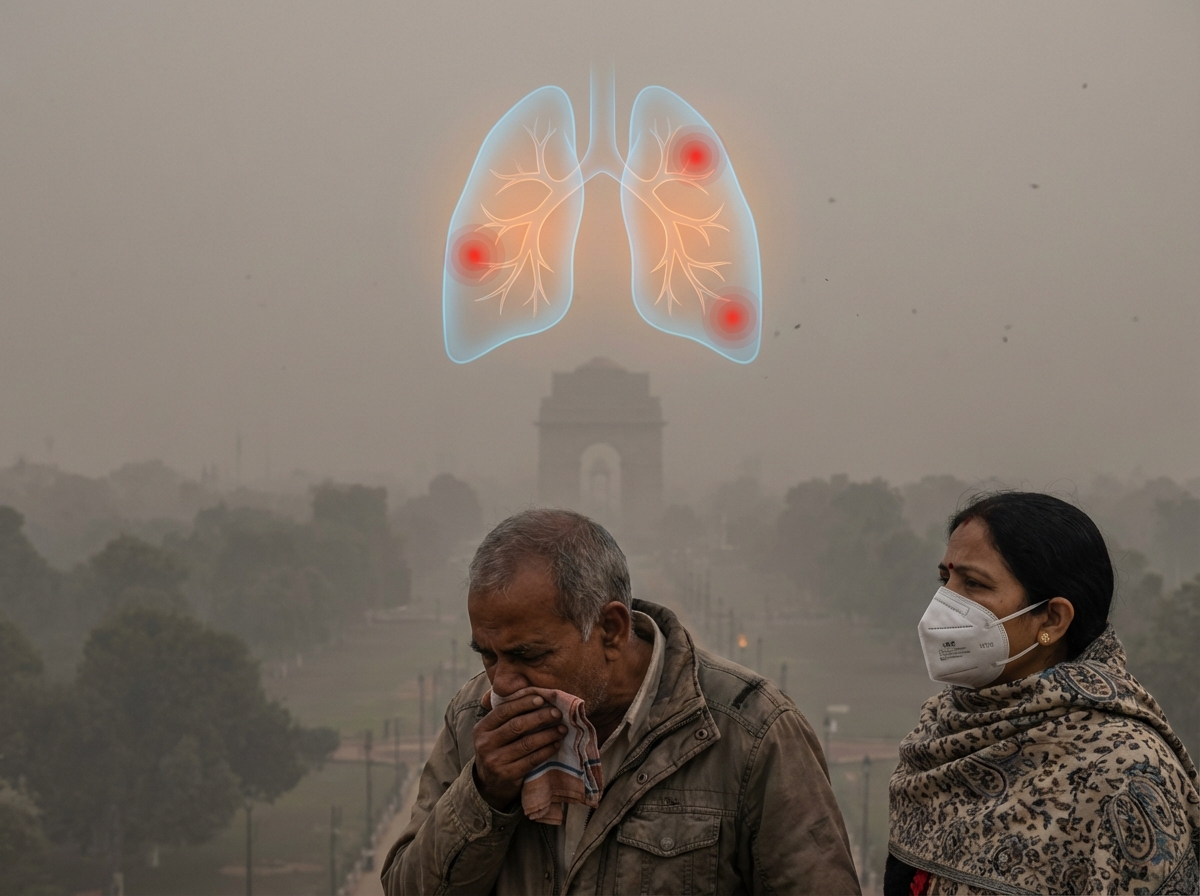
Direct answer: Air pollution in Indian cities can cause daily symptoms such as dry eyes, coughing, throat irritation, headaches, and breathlessness. Over time, repeated exposure may affect the lungs, heart, eyes, skin, and overall health, especially in children, older adults, and people with existing conditions.

At a glance

  • Intended audience: Urban residents in India, parents, older adults, outdoor workers, and people with asthma, chronic obstructive pulmonary disease (COPD), sinus issues, or heart disease
  • Location relevance: India-focused, especially densely populated cities such as Delhi and other metros
  • Reading time: 4 minutes

Key Takeaways

  • Air pollution in Indian cities may trigger cough, throat irritation, dry or burning eyes, headaches, fatigue, wheezing, and breathlessness.
  • Fine particulate matter, especially PM2.5, can reach deep into the lungs and may enter the bloodstream.
  • Children, older adults, pregnant women, outdoor workers, and people with asthma or heart and lung disease may face higher risks.
  • Indoor air may also be affected when outdoor air quality is poor.
  • Checking the Air Quality Index (AQI), using an N95 mask, and reducing exposure on high-smog days may help.

Why urban smog in Indian cities may be more dangerous than it looks

Smog contains a mix of harmful particles and gases, especially PM2.5, which means particulate matter that is 2.5 micrometres or smaller. These tiny pollutants are small enough to enter deep into the lungs and may even reach the bloodstream.

That is why exposure may do more than trigger coughing or sneezing. Over time, it may contribute to more serious health problems.

Health experts have linked prolonged exposure to polluted air with asthma, bronchitis, reduced lung function, heart disease, stroke, and lung cancer. According to the Clean Air Fund, India sees around 2.1 million premature deaths every year related to dirty air. This suggests air pollution is a major public health concern, not just a seasonal inconvenience.

Common health effects of air pollution people are noticing right now

Doctors are reporting that even otherwise healthy people living in heavily polluted Indian cities may develop symptoms during high-smog periods. These signs may seem mild at first, but repeated exposure can make them worse.

  • Persistent cough and throat irritation
  • Burning or dry eyes
  • Headaches and fatigue
  • Wheezing or shortness of breath
  • Allergic flare-ups and skin irritation

Many people describe it as feeling like they are breathing in smoke every day. In some reports, heavy exposure to city pollution has been compared to smoking several cigarettes a day, even in people who have never used tobacco.

Who is most at risk from air pollution?

Children and older adults may need extra protection

Children are especially vulnerable because their lungs are still developing. Pediatricians in high-PM2.5 cities are seeing more cases of wheezing, allergic bronchitis, and breathing difficulty.

Older adults, especially those with pre-existing heart or lung disease, may experience worsening symptoms during pollution spikes.

Pregnant women, outdoor workers, and people with asthma, sinus issues, chronic obstructive pulmonary disease (COPD), or heart disease may also face higher risks. But the wider concern is simple: no one is fully immune. Even healthy adults can feel the effects after repeated exposure.

Daily precautions that may help reduce exposure

1. Air pollution affects more than the lungs

Most people connect smog with asthma or coughing, but polluted air may also increase inflammation in the body and raise the risk of heart attacks and stroke.

2. Indoor air is not always safe

If outdoor air quality is poor, indoor spaces can also collect pollutants, especially in homes near traffic-heavy roads or waste-burning areas. Closed windows alone are not always enough.

3. Practical steps for polluted days

You may not be able to control citywide pollution on your own, but you can lower your exposure with simple habits.

  • Wear a N95 mask on very polluted days
  • Use an air purifier indoors if possible
  • Check the Air Quality Index (AQI) before outdoor exercise
  • Eat antioxidant-rich foods like fruits, vegetables, nuts, and seeds
  • Stay hydrated and wash your face and eyes after coming home

What needs to change at the city level to reduce air pollution?

Individual precautions matter, but they are only part of the answer. Lasting improvement depends on reducing vehicular emissions, construction dust, industrial pollution, and open burning of waste.

Cleaner transport, better enforcement, and stronger public awareness are all important. Most importantly, people should stop normalizing smog. If the air is making your family feel unwell, that is not something to simply adjust to.

When to take pollution-related symptoms seriously

If you or your child have frequent coughing, breathlessness, burning eyes, recurring throat irritation, or worsening asthma during pollution peaks, do not ignore it. Early medical advice may help prevent complications.

Safety note: This content is informational and is not a substitute for medical care. Consult a qualified clinician if symptoms are persistent, worsening, or severe.

If you are unsure whether your symptoms are related to air pollution, consider speaking with a qualified doctor through AskyDoc online doctor consultation for timely guidance.

Share the post

Online Counseling Is Reducing Mental Health Stigma in India

Online counseling is helping reduce mental health stigma in India by offering private, convenient support that may feel easier to access.

Direct answer: Online counseling is helping reduce mental health stigma in India by making support feel more private, accessible, and less intimidating. For many people, speaking to a qualified mental health professional from home may feel easier than visiting a clinic in person.

Key takeaways

  • Online counseling can make mental health support feel more private and approachable in India.
  • Stigma, fear of judgment, and social pressure still stop many people from seeking help.
  • Teletherapy can reduce barriers by allowing people to speak to a professional from home.
  • Language options and convenience may make counseling feel more inclusive across Indian cities and smaller towns.
  • Growing familiarity with remote healthcare is helping more people feel comfortable with online mental health care.

Why this matters in India

Many people in India still hesitate to talk about stress, anxiety, relationship problems, or other mental health concerns because of fear, shame, or social judgment. The phrase “log kya kahenge” reflects this pressure clearly.

This is why online counseling matters. When therapy is available by phone or laptop, the first step may feel less intimidating and more private.

How online counseling reduces barriers to support

For many Indians, the biggest barrier is not only access. It is stigma.

People may worry about being seen entering a clinic, being questioned by family members, or being labeled as weak. Online counseling can reduce some of this pressure by allowing a person to book a session discreetly and speak to a qualified professional without drawing attention.

This can be especially helpful for students, working professionals, women in restrictive households, and people living in smaller towns.

1. Privacy may encourage earlier help-seeking

Many people wait until stress becomes overwhelming before asking for help. Online counseling can make it easier to act sooner.

Instead of hiding symptoms of burnout, sadness, panic, or loneliness, some people may feel more comfortable connecting with a therapist discreetly.

Concerns people may discuss in online counseling

  • Work stress and burnout
  • Anxiety and overthinking
  • Depression symptoms
  • Relationship and family issues
  • Academic pressure among youth

When support feels safe and confidential, people may be more likely to reach out before concerns become harder to manage.

2. Language and convenience can make therapy feel more inclusive

Another major advantage is accessibility. Many online platforms now offer counseling in English and regional languages, which can make therapy easier to understand and more culturally relatable.

This matters in a country as diverse as India. Convenience also matters: no travel, no waiting room, and often no need to take half a day off.

Whether someone lives in Mumbai, Patna, Kochi, or a smaller town, they may be able to find support with just a few taps. For younger Indians who are already comfortable communicating online, this format can feel natural.

3. People are becoming more comfortable with teletherapy

Teletherapy, or therapy provided remotely using phone or internet-based sessions, once felt unfamiliar to many people. Early skepticism about whether virtual sessions could feel meaningful is understandable.

However, research suggests that patients often report increasing satisfaction with telepsychiatry over time. Once people experience a helpful session, trust may begin to build.

The pandemic also helped normalize remote healthcare. Speaking to doctors, therapists, and wellness experts online now feels practical for many families across India.

The role of workplaces and changing social attitudes

Employers in India are also gradually recognizing that mental well-being can affect productivity, retention, and morale. More companies are offering employee assistance programs, wellness check-ins, and online counseling support for teams dealing with work pressure.

This matters because workplace stress is real, and many employees may never visit a clinic on their own. If an online counseling session is offered through work, it can lower the barrier and send an important message: mental health support is normal.

As more people share positive therapy experiences, older stigma may begin to weaken. Change may be gradual, but it is visible.

Mental health support should feel safe, respectful, and easy to access

The real breakthrough is not only technology. It is what technology can make possible: dignity, privacy, and a chance to ask for help without fear.

Online counseling is not a complete solution to every mental health challenge in India, but it is opening doors that were once harder to access.

If you or someone close to you has been silently struggling, this may be a practical time to begin. A conversation with a qualified professional may offer clarity, coping strategies, and support.

Safety note: Online information is not a substitute for personal medical advice. If symptoms feel severe, persistent, or urgent, consult a qualified clinician or seek immediate help from local emergency services.

If you are ready to take the first step, book an online counseling appointment with AskyDoc to connect with support in a safe and convenient way.

Share the post

Top 10 Mental Health Tips for Busy Professionals in India to Manage Work Stress

Direct answer: Busy professionals in India can manage work stress with small, consistent habits such as deep breathing, short breaks, clearer work boundaries, better sleep, regular movement, and professional support when stress feels persistent.

These steps do not require a complete lifestyle overhaul. They are practical ways to protect mental well-being in a fast-moving work culture shaped by long commutes, deadlines, and constant notifications.

Key takeaways

  • Short daily habits can help reduce work stress without changing your whole routine.
  • Breathing exercises, micro-breaks, movement, and sleep can support mental well-being.
  • Healthy work boundaries can help prevent overcommitment and emotional exhaustion.
  • Supportive workplace relationships can make stressful days easier to manage.
  • If stress starts affecting sleep, productivity, or relationships, consider speaking with a qualified clinician, counselor, or therapist.

Why work stress can build up

Many professionals in India feel pressure to stay switched on even after office hours. Long commutes, deadlines, back-to-back meetings, and digital notifications can quietly drain emotional energy.

If your day feels mentally crowded, practical routines may help you stay calmer, sharper, and more balanced. The goal is not perfection. The goal is a routine that protects your mind while you work toward your goals.

1. Take 5 minutes for deep breathing or mindfulness at work

When stress rises, your body often reacts before your mind fully catches up. A few minutes of deep breathing during a work break may help slow racing thoughts, ease anxiety, and reset your mood.

Try inhaling for four counts, holding for four, and exhaling for six. Even 5 minutes between meetings can help.

Why it may help

Mindfulness means paying attention to the present moment. It can reduce mental clutter and make stressful situations feel more manageable.

2. Take short breaks during the day to reduce mental fatigue

Working non-stop may feel productive, but it can lower concentration and increase burnout over time. Step away from your desk every couple of hours if possible.

Stretch, refill your water bottle, or take a short walk. These short breaks give your brain time to recover and may support better focus.

Knowledge point: Micro-breaks may support attention span and reduce emotional fatigue over the day.

3. Learn to say no and set healthy work boundaries

Overcommitment is a common cause of work stress. If your schedule is already full, it is okay to say no respectfully.

Boundaries are not rude. They are necessary. Limiting extra calls after office hours or pushing back on unrealistic deadlines can help protect your time and mental health.

4. Prioritise tasks instead of doing everything at once

A long to-do list can feel overwhelming, especially when everything seems urgent. Start by identifying what truly needs your attention today.

Break larger tasks into smaller steps. Focus on one task at a time instead of constantly multitasking.

Simple method to try

  • Must do: urgent and important tasks
  • Should do: tasks that matter but can wait a little
  • Can do: low-priority work

This approach may reduce decision fatigue and create a stronger sense of control.

5. Build positive relationships at work for emotional support

A supportive workplace can act as a stress buffer. Colleagues you can talk to, laugh with, or ask for help can make difficult days feel easier.

You do not need to be close to everyone. Even one or two positive professional relationships can support emotional resilience.

6. Move your body every day to support mental wellness

Exercise is one practical tool for mental wellness. It can support mood, help lower stress, and improve overall well-being.

You do not need an intense gym plan. A brisk walk, climbing stairs, yoga, desk stretches, or a short evening workout can all help.

Knowledge point: Physical movement supports mental clarity and better sleep, which can be especially important for busy professionals.

7. Try a short daily meditation routine

Even a 5 to 10 minute meditation session may improve concentration and reduce internal tension. If your mind keeps jumping between work issues, meditation can help you pause instead of panic.

Many professionals in India use guided meditation apps in the morning or before bed.

8. Stick to a sleep schedule for better mental resilience

Late-night scrolling, unfinished office work, and irregular sleep timing can disturb emotional balance. Good sleep is not a luxury. It supports mental resilience.

Try sleeping and waking at roughly the same time each day. If possible, reduce caffeine late in the evening and avoid screens right before bed.

9. Unplug after work hours to give your mind time to rest

If you are checking email or Slack during dinner, your brain may not fully switch off. Creating a clear end to the workday can help your mind rest.

This may mean turning off notifications, avoiding work chats after a set time, or keeping one hour before bed as screen-light as possible.

10. Seek professional support when stress feels persistent

If stress, anxiety, irritability, or low mood starts affecting your sleep, productivity, or relationships, do not ignore it.

Speaking with a counselor, therapist, or other qualified clinician can be a proactive step. Support is not only for crises. It may also help you build healthier coping strategies earlier.

Safety note: If symptoms feel severe, persistent, or hard to manage, consult a qualified mental health professional or clinician.

Quick summary table

Tip How it helps
Deep breathing and mindfulness May calm racing thoughts and reduce mental clutter
Short breaks May reduce mental fatigue and support focus
Healthy boundaries Can reduce overcommitment and protect personal time
Task prioritisation Can lower overwhelm and decision fatigue
Positive workplace relationships Can provide emotional support during stressful periods
Daily movement May support mood, clarity, and sleep
Meditation May improve concentration and reduce internal tension
Sleep schedule Supports emotional balance and resilience
Unplugging after work Gives your mind time to rest
Professional support May help when stress affects daily life

Small habits can have a big impact on work stress

You do not need to use all 10 tips at once. Start with two or three that fit naturally into your routine.

A breathing break between calls, a walk after lunch, better sleep timing, or firmer work boundaries can create meaningful change over time.

In a world that constantly asks for more, protecting your peace may be one of the smartest career decisions you can make.

If stress has started to feel heavier than usual, consider speaking with a qualified expert. Book an appointment with a healthcare professional through AskyDoc to take the next step toward better mental well-being.

Share the post

10 Indian Foods for Better Heart Health Daily

A simple Indian heart-healthy diet can include whole grains, greens, nuts, legumes, fish, and smart daily habits that support cardiac health.

Direct answer: A heart-healthy Indian diet can be built from familiar foods such as whole grains, leafy greens, legumes, nuts, fish, and balanced cooking oils. The most effective approach is to make simple, consistent daily choices rather than follow extreme diet rules.

Key Takeaways

  • Many heart-healthy foods are already common in Indian kitchens.
  • Whole grains, greens, legumes, nuts, and fish can support daily cardiac care.
  • Small swaps, such as reducing refined carbohydrates and fried snacks, can help over time.
  • Limiting salt and sugar matters as much as adding healthy foods.
  • If you have high blood pressure, diabetes, or high cholesterol, personalised medical advice is important.

Why heart diet matters in India

Heart disease is becoming more common in India due to stress, sedentary lifestyles, high salt intake, and processed food habits. That is why building a healthy heart diet into everyday meals matters.

You do not need fancy imported ingredients. Simple swaps like choosing whole grains over refined carbohydrates, adding greens to lunch, or snacking on nuts can make a real difference over time.

10 heart-healthy foods to include in an Indian diet

1. Whole grains for better cholesterol control

Whole grains like oats, brown rice, and millets such as bajra, jowar, and ragi are rich in fibre. Fibre helps reduce low-density lipoprotein (LDL), often called “bad” cholesterol, and also supports digestion.

Easy ways to use them:

  • Oats for breakfast
  • Brown rice with dal
  • Jowar or bajra roti for lunch or dinner

Why they may help: Whole grains slow sugar absorption, improve fullness, and support weight management, which is important for heart health.

2. Leafy greens that support blood vessel health

Spinach, methi, and sarson are packed with iron, antioxidants, vitamins, and nitrates that help blood vessel function. They are affordable, familiar, and easy to include in Indian cooking.

Add them to:

  • Thepla or paratha dough
  • Dal and sabzi
  • Soups and smoothies

3. Berries for antioxidant protection

Strawberries, blueberries, and Indian jamun contain polyphenols and antioxidants that may reduce inflammation. Inflammation is one of the silent factors linked with long-term heart damage.

If berries are not available daily, seasonal fruits with deep natural colour can still be a smart addition to your diet.

4. Nuts as a smart daily snack for heart health

Almonds and walnuts offer healthy fats, omega-3 fatty acids, magnesium, and plant compounds that support cholesterol balance. A small handful a day is enough.

More is not always better, especially if you are watching calories.

Replace fried namkeen with:

  • 5 to 6 almonds
  • 2 to 4 walnut halves
  • Unsalted mixed nuts

5. Fatty fish for omega-3 benefits

If you eat non-vegetarian food, fish like salmon, mackerel, and Rohu can be excellent for your heart. They are rich in omega-3 fatty acids, which help reduce triglycerides and support healthy blood vessels.

Try grilled, steamed, or lightly curried fish instead of deep-fried versions.

6. Legumes that support heart health and blood sugar balance

Dal, rajma, and chana are classic Indian staples and deserve a place in every healthy heart diet. They are naturally cholesterol-free and provide protein plus fibre.

This makes them helpful for:

  • Improving fullness after meals
  • Supporting blood sugar control
  • Lowering dependence on processed foods

7. Use olive oil or mustard oil wisely

Cooking fat matters. Replacing excess butter, vanaspati, or too much ghee with olive oil or mustard oil can improve the quality of fat in your diet.

These oils contain more unsaturated fats, which are generally considered more heart-friendly. The key is moderation.

8. Garlic adds more than flavour

Garlic contains allicin, a natural compound that may modestly help with blood pressure and cholesterol. It is not a magic cure, but regular use in meals can be one small helpful step.

Fresh garlic in chutneys, tadka, and soups works well for Indian diets.

9. Dark chocolate in moderation

Dark chocolate with 70% or more cacao contains flavonoids that may support blood flow. Portion size matters, so choose a small piece and avoid options loaded with sugar.

10. Green tea for daily vascular support

Green tea contains catechins, which may help protect blood vessels. It can be a better beverage choice than sugary drinks or repeated cups of sweet chai through the day.

Quick reference: foods and simple uses

Food group Examples Simple Indian use
Whole grains Oats, brown rice, bajra, jowar, ragi Breakfast oats, millet roti, brown rice with dal
Leafy greens Spinach, methi, sarson Add to sabzi, dal, dough, or soups
Nuts Almonds, walnuts Small unsalted snack instead of fried namkeen
Legumes Dal, rajma, chana Main protein source in lunch or dinner
Fish Salmon, mackerel, Rohu Grilled, steamed, or lightly curried

3 heart-smart habits that make these foods work better

These foods are helpful, but your overall eating pattern matters more than one “superfood.”

  • Limit salt: Too much sodium can push up blood pressure.
  • Cut back on sugar: Sugary foods and drinks add to weight gain and metabolic stress.
  • Choose consistency over extremes: Daily small habits often work better than crash diets.

How to build an Indian heart-healthy plate

A practical meal can look like this: one bowl dal or chana, one serving of sabzi with leafy greens, one millet roti or brown rice portion, salad, and a few nuts later in the day.

That approach is simple, balanced, and sustainable.

When to seek medical advice

If you already have high blood pressure (BP), diabetes, high cholesterol, chest discomfort, or a family history of heart disease, diet should be personalised. Consult a qualified clinician or registered dietitian for guidance that fits your health needs.

If you want expert advice tailored to your health, you can book an appointment through book an online doctor consultation on AskyDoc and speak with a qualified doctor without delay.

Sources

  • Heritage Hospitals (May 2025) – Heart Healthy Diet Indian Foods Cardiovascular Wellness

Share the post

Teleconsultation vs in-person doctor visits guide

Learn when teleconsultation is suitable and when an in-person doctor visit is safer for symptoms, follow-ups, emergencies, and care in India.

Direct answer: Choose teleconsultation for mild symptoms, routine follow-ups, report reviews, and many mental health consultations. Choose an in-person doctor visit for emergencies, worsening symptoms, injuries, or any condition that may need a physical examination, tests, or procedures.

For patients in India, the safest choice depends on symptom severity, urgency, and whether a doctor needs to examine you directly.

Key takeaways

  • Teleconsultation is often useful for mild symptoms, routine follow-ups, and lab report discussions.
  • Virtual care can also support therapy, stress management, anxiety support, and psychiatric follow-up reviews.
  • In-person care is usually safer for emergencies, serious injuries, severe bleeding, and stroke warning signs.
  • Some symptoms may seem minor but still need a physical examination, such as severe abdominal pain or unusual swelling.
  • If you are unsure, a teleconsultation may help guide your next step, but emergencies should go directly to a hospital or emergency department.

What teleconsultation means

Teleconsultation, also called an online doctor consultation or virtual consultation, means speaking with a doctor by phone or video instead of visiting a clinic or hospital in person.

It can be practical for Indian families managing work, school, travel, and elder care. But convenience should not replace safety when symptoms are urgent or need hands-on evaluation.

When teleconsultation makes sense

Teleconsultation works best when a doctor can understand your condition through symptoms, medical history, and visual review without needing a direct physical examination.

Routine follow-ups and ongoing health management

If you already have a diagnosis and need medication review, progress tracking, or lifestyle guidance, online consultations are often appropriate.

This may be useful for:

  • Diabetes and blood pressure follow-ups
  • Thyroid medication adjustments
  • Repeat prescriptions where appropriate
  • Lab report discussions

These situations often depend more on your medical history and reports than on a physical examination.

Minor illnesses and simple symptoms that can be reviewed online

Many common day-to-day health concerns can be discussed online first.

  • Cold, cough, mild fever, or sore throat
  • Skin rashes, itching, or acne flare-ups
  • Digestive discomfort such as acidity or mild constipation
  • Headache or seasonal allergies

Teleconsultation may help you understand whether home care is enough or whether you should visit a clinic later.

Mental health support through virtual consultation

One of the strongest use cases for virtual care is mental health consultation. Therapy sessions, stress management, anxiety support, and follow-up psychiatric reviews can often be handled effectively online.

This may improve access for people who feel hesitant about visiting a hospital or clinic in person.

When an in-person doctor visit is the better choice

Online care has limits. A doctor on video cannot check your abdomen, listen to your chest directly, stitch a wound, or provide emergency treatment.

Emergencies need immediate physical care

If you or a loved one has any of the following symptoms, go to the nearest hospital or emergency department immediately:

  • Chest pain
  • Trouble breathing
  • Severe bleeding
  • Fainting or seizures
  • Serious injuries or suspected fractures
  • Signs of stroke such as facial drooping, slurred speech, or weakness

Telemedicine is not suitable for emergencies.

Symptoms that may need a physical examination

Some symptoms may sound mild but still need a doctor to examine you in person.

This may include severe abdominal pain, high fever that is not improving, ear pain, unusual swelling, or a persistent condition that keeps returning.

When tests, procedures, or urgent intervention may be needed

If a doctor suspects you may need blood tests, scans, wound care, injections, or any urgent intervention, an in-person visit is the next step.

Teleconsultation can guide you, but it cannot replace procedures.

Quick comparison

When to choose teleconsultation or in-person care
Situation Better first choice Why
Routine follow-up after diagnosis Teleconsultation Often depends on history, progress, and reports
Mild cold, cough, rash, or acidity Teleconsultation Can help decide home care versus clinic care
Mental health therapy or follow-up review Teleconsultation Often manageable effectively online
Chest pain, trouble breathing, severe bleeding In-person visit Needs immediate emergency evaluation
Severe abdominal pain or unusual swelling In-person visit May require physical examination
Need for scans, injections, wound care, or tests In-person visit Procedures cannot be done online

A simple rule to decide

  1. Choose teleconsultation for mild symptoms, follow-ups, report reviews, and mental health sessions.
  2. Choose in-person visits for serious symptoms, worsening conditions, injuries, or when a physical examination is clearly required.
  3. If you are unsure, a teleconsultation may help you get quick medical direction.
  4. If symptoms are alarming, do not delay offline care.

Safety note: Consult a qualified clinician for medical advice. For emergency symptoms, seek immediate in-person care.

What this means for patients in India

For people across India, the best healthcare choice is not online versus offline. It is knowing when to use each one wisely.

Teleconsultation offers speed, access, and convenience. In-person care offers examination, procedures, and emergency support. Both have value, but they are not interchangeable.

If you want quick guidance for a mild health issue, follow-up support, or expert advice without the travel hassle, book a consultation with AskyDoc. If your symptoms suggest something more serious, let that consultation be the first step toward timely physical care.

Share the post

Managing Diabetes Online in India: How Teleconsultation May Support Better Blood Sugar Control

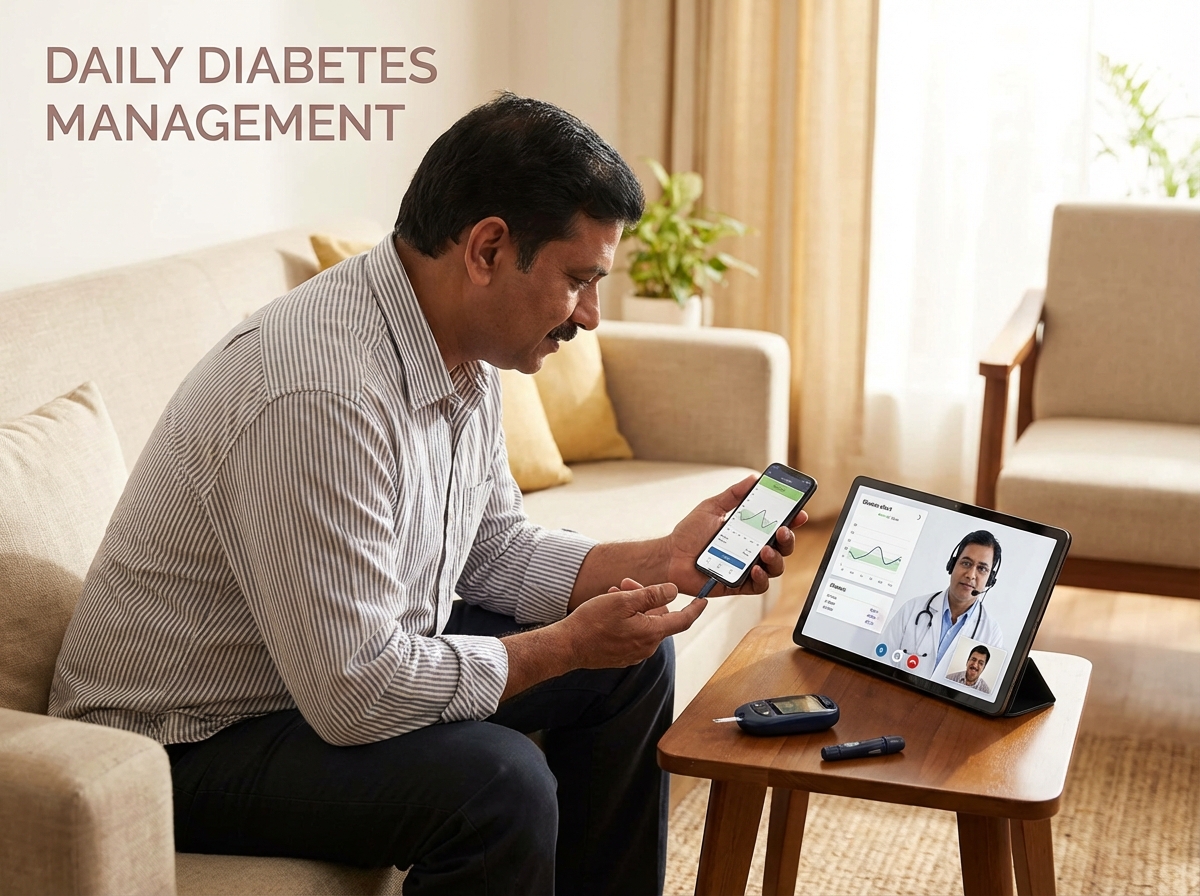
Direct answer: For many people in India living with diabetes, teleconsultation can make follow-up easier and more regular. This may support better blood sugar control by helping doctors review readings, adjust treatment sooner, and guide lifestyle changes without requiring a clinic visit every time.

At a glance

  • Intended audience: People in India with diabetes, family caregivers, and anyone considering online diabetes follow-up
  • Location relevance: India
  • Reading time: 5 minutes

Key Takeaways

  • Teleconsultation can make diabetes follow-up more practical and more frequent.
  • Doctors may review blood sugar logs sooner and adjust medicines or insulin earlier.
  • Regular online check-ins can support diet, exercise, sleep, and stress management.
  • Virtual care may help identify warning signs earlier, but it does not replace all in-person checks.
  • A hybrid model of online follow-up and periodic clinic visits is often the most useful approach.

Why online diabetes follow-up can work well

Diabetes often needs regular monitoring, medicine review, and lifestyle support. In India, where clinic visits may take significant time, teleconsultation can make this ongoing care easier to continue.

Teleconsultation means consulting a doctor remotely by video, phone, or digital platform. Telemedicine and telehealth are broader terms that may include remote monitoring and education.

Some research suggests telehealth can be useful for diabetes management, with small but meaningful improvements in HbA1c reported in some settings. HbA1c is a blood test that reflects average blood sugar over the past 2 to 3 months.

Traditional care may leave gaps of 3 to 6 months between appointments. During that time, fasting sugar, post-meal readings, or insulin needs may change.

With teleconsultation, doctors may review progress more often and make quicker decisions. This can be especially helpful for patients already tracking readings through apps, WhatsApp logs, or Bluetooth glucometers.

3 ways teleconsultation may help control blood sugar

1. Faster treatment adjustments for changing sugar readings

One major benefit of managing diabetes online is speed. If fasting sugars remain high for 10 days, a doctor may review the readings during a video consultation and decide whether night insulin needs adjustment or whether oral medicines need review.

Prompt action may help reduce prolonged periods of uncontrolled sugar levels.

2. Better follow-through on diet, exercise, sleep, and stress

Medication is only one part of diabetes care. Food choices, portion control, walking, sleep, and stress also affect blood sugar.

Remote sessions with a dietician or diabetes educator can help patients stay on track. Small reminders and regular check-ins may work better than one long session every few months.

3. Earlier attention to warning signs and possible complications

Telemedicine can also help doctors assess complications sooner. A person with a diabetic foot ulcer, swelling, repeated hypoglycaemia (low blood sugar), or sudden changes in sugar levels can discuss symptoms over video and receive guidance on whether urgent in-person care may be needed.

What the evidence says about telemedicine for diabetes care

Studies support the use of telemedicine in diabetes care. A meta-analysis noted an average HbA1c reduction of around 0.2% with telehealth interventions.

While this may sound modest, it can still be useful when combined with long-term follow-up.

Another Indian study during the COVID period found that glucose control improved after shifting to teleconsults, possibly because patients had more frequent touchpoints, better education, and easier access to clinicians.

This highlights an important point: diabetes outcomes may improve not only because of one medicine, but also when patients and doctors stay connected consistently.

What still needs an in-person diabetes visit?

Online care is useful, but it is not a complete replacement for physical evaluation. Some checks still need a clinic or hospital visit.

In-person diabetes care that may still be needed
Care need Why it matters
Foot examinations To look for nerve damage, poor circulation, or hidden wounds
Retina screening To check for diabetic eye disease
Blood tests such as HbA1c, kidney function, and lipid profile To monitor long-term control and related health risks
Emergency assessment For severe infection, very high sugar levels, or repeated low sugar episodes

The best approach is often a hybrid model: routine follow-ups online, with periodic in-person reviews for examination and preventive screening.

The key takeaway for Indian patients managing diabetes online

If you or a family member has diabetes, waiting months between appointments is no longer the only option. Managing diabetes online can make care more practical, more responsive, and in many cases more effective.

It can save travel time, reduce missed follow-ups, and help doctors step in before small issues become bigger ones.

If your sugar readings are fluctuating, your medicines need review, or you want more regular support, this may be a good time to book an online diabetes consultation with AskyDoc and speak to a doctor from home.

Share the post

Preparing for Delivery: What Teleconsults Can and Cannot Do for Expecting Parents

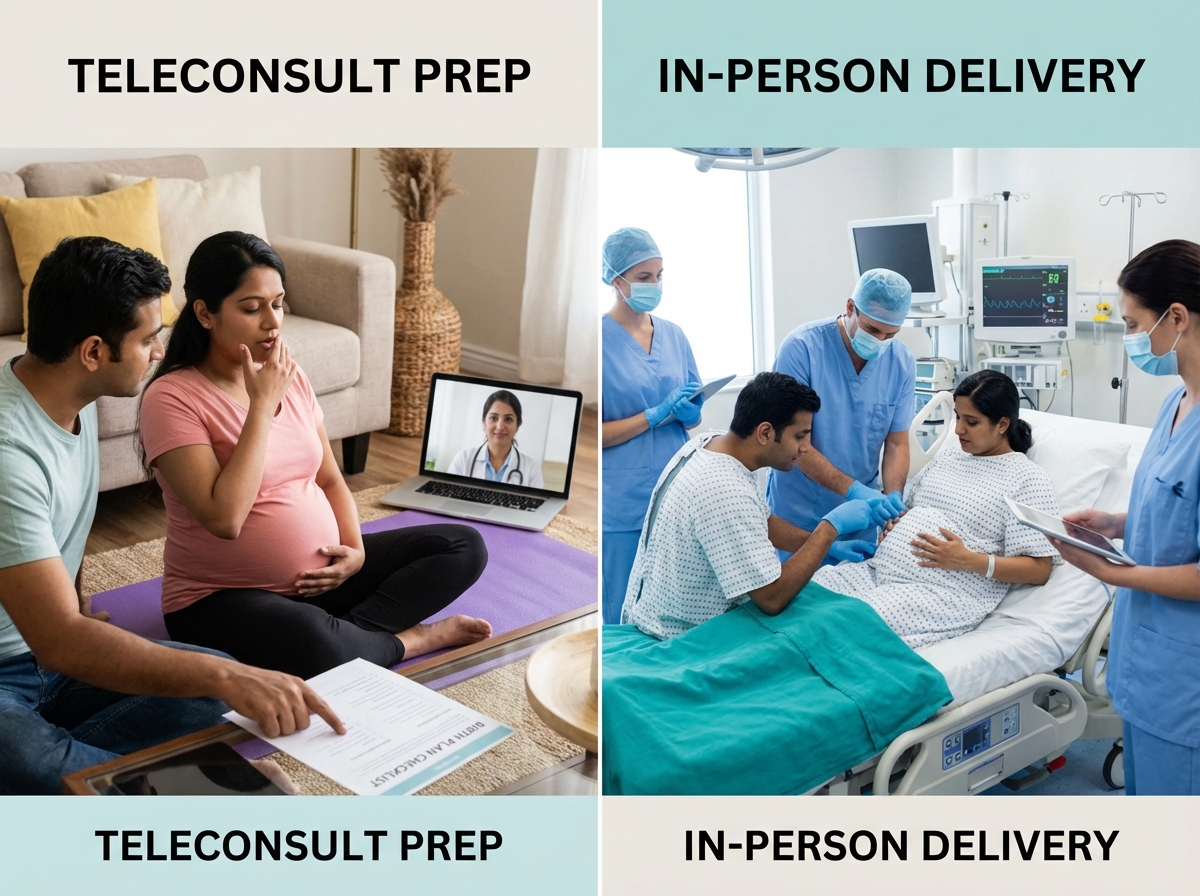
Direct answer: Teleconsultations can help expecting parents in India prepare for labour by answering questions, reviewing birth plans, and explaining warning signs. But telemedicine cannot replace in-person maternity care, hands-on examination, fetal monitoring, or emergency treatment during labour.

At a glance

  • Intended audience: Expecting parents, especially those in late pregnancy
  • Location relevance: India-focused
  • Reading time: 4 minutes

Key Takeaways

  • Teleconsultations are useful for delivery preparation, especially in the final weeks of pregnancy.
  • They can help with birth planning, prenatal education, and coordination with specialists.
  • Virtual care is convenient because families can speak to clinicians from home.
  • Telemedicine does not replace in-person delivery care or urgent obstetric treatment.
  • Warning signs such as heavy bleeding or reduced fetal movement need immediate hospital care.

What this means for expecting parents

As the due date gets closer, many expecting parents in India have last-minute questions about labour, hospital admission, pain relief, and recovery. This is where teleconsultations can be genuinely helpful.

A quick video call with your obstetrician, childbirth educator, or hospital team may help clear doubts, reduce anxiety, and help you feel more prepared before delivery.

How teleconsultations help you prepare for delivery in late pregnancy

One of the biggest advantages of a teleconsultation is convenience. Instead of travelling in late pregnancy, parents can speak to specialists from home and get answers to important questions without unnecessary stress.

1. Birth planning becomes easier

Teleconsultations are useful for discussing your birth plan. You can ask about labour signs, pain relief options, induction, Caesarean section (C-section) planning, hospital admission timing, and what to expect after delivery.

For example, your doctor may explain when it is time to go to the hospital, such as when contractions are around 5 minutes apart, your water breaks, or fetal movements feel reduced.

This kind of conversation can help couples feel less overwhelmed and helps ensure that the pregnant woman and her family are on the same page.

2. Prenatal education can happen from home

Many hospitals and maternity centres now offer online prenatal classes. These may cover the basics of labour, delivery, breastfeeding, and recovery.

  • Breathing and relaxation techniques during labour
  • Pain relief options, including epidural information
  • Basics of breastfeeding and newborn care
  • What happens during vaginal delivery or C-section
  • Post-delivery recovery tips for the mother

These sessions are especially useful for first-time parents. They may improve confidence and make the delivery process feel less intimidating.

3. Better coordination with specialists before delivery

Another benefit is that teleconsultations can connect you with professionals you may meet during delivery, such as an anaesthesiologist or paediatrician. This can mean fewer surprises later.

If a C-section is possible or if the baby may need special attention after birth, these pre-delivery discussions can be reassuring.

During the COVID-19 period, telehealth also proved useful for final prenatal reviews, planning induction dates, and deciding the right timing for hospital visits while reducing unnecessary crowding. That experience showed how digital care can support thoughtful and safer delivery planning.

What teleconsultations cannot do during labour and emergencies

Even though virtual care is helpful, it has clear limits. The actual delivery must happen in person under medical supervision.

No video consultation can replace hands-on examination, fetal monitoring, blood pressure checks during emergencies, or immediate intervention during complications.

Teleconsultation vs in-person maternity care

What teleconsultation can do What requires in-person care
Answer questions about labour and delivery Conduct hands-on examination
Review your birth plan Monitor the fetus during labour
Explain warning signs and next steps Check blood pressure during emergencies
Coordinate with specialists before delivery Provide immediate treatment for complications

Seek hospital care immediately if you have:

  • Heavy bleeding
  • Very high blood pressure or severe headache
  • Sudden swelling with warning symptoms
  • Reduced fetal movement
  • Severe abdominal pain
  • Labour progressing rapidly
  • Any emergency your doctor has already warned you about

In these situations, tele-advice should never delay urgent treatment. Virtual care is a guide, not a substitute for emergency obstetric care.

Medical safety note: If any of these symptoms happen, contact your clinician and go to the hospital immediately. Do not rely only on a video call during an emergency.

Digital tools that can support delivery preparation

Besides doctor calls, digital tools can help expecting parents stay organised in the final days. Apps and hospital portals may remind you to keep your medical documents ready, prepare your hospital bag checklist, review your reports, and finalise your birth plan.

These small steps can save time when labour starts in earnest.

For Indian families, this can be particularly valuable because many deliveries involve coordination among family members, transport planning, hospital admissions, and financial paperwork. Getting these details sorted in advance may help reduce panic later.

Virtual pregnancy preparation works best when you know its role

The best way to think about telemedicine in late pregnancy is this: it is a preparation partner. It helps you ask last-minute questions, understand the process, learn warning signs, and feel emotionally ready.

But once labour truly begins, or if something seems wrong, hands-on medical care is essential.

If your due date is near and you still have doubts, now may be the right time to clarify them. A timely virtual consultation can help you plan better, stay calmer, and know when to head to the hospital.

If you want trusted guidance before delivery, book an appointment through AskyDoc to connect with a relevant doctor.

Sources

Reviewed by:

All health-related content published on AskyDoc is reviewed by qualified medical professionals to ensure accuracy, relevance, and adherence to current clinical guidelines. Our goal is to provide reliable, evidence-based information to support informed healthcare decisions.

Share the post

Prenatal Yoga and Telehealth for Safe Home Pregnancy

Learn how telehealth supports safe prenatal exercise and yoga at home during pregnancy in India, with expert guidance, precautions, and options.

Direct answer: Yes, many women with uncomplicated pregnancies can stay active at home with prenatal yoga, walking, stretching, and physiotherapist-led routines through telehealth. In India, virtual guidance can make pregnancy fitness more practical by offering trimester-appropriate support without travel.

At a glance

  • Intended audience: Pregnant women, families, and caregivers looking for safe at-home prenatal fitness guidance
  • Location relevance: India
  • Reading time: 4 minutes

Key Takeaways

  • Telehealth can help pregnant women access guided exercise and yoga from home.
  • Moderate exercise during pregnancy is often recommended for uncomplicated pregnancies.
  • Online support can help tailor routines by trimester, comfort level, and medical history.
  • Common options include prenatal yoga, pelvic floor exercises, stretching, walking, and breathing practice.
  • Women with pain, bleeding, dizziness, or high-risk pregnancies should consult a qualified clinician before starting.

What this means for pregnancy fitness at home

Telehealth means healthcare or guided support delivered remotely, usually by video or phone. In this context, it can include consultations with a doctor, physiotherapist, or prenatal fitness expert for safe exercise during pregnancy.

For Indian women in metro cities and smaller towns, this can reduce travel time and make expert guidance easier to access from home.

Why prenatal fitness matters during pregnancy

Pregnancy brings physical and hormonal changes that may cause lower back pain, stiffness, swelling, fatigue, and anxiety. The right movement routine may help manage these issues in a supportive way.

If your pregnancy is uncomplicated, doctors often recommend moderate exercise during pregnancy because it can improve circulation, reduce back discomfort, support posture, and help prepare the body for labour.

Online guidance also helps challenge outdated advice such as avoiding all exercise during pregnancy. Many experts now support light, guided activity for most healthy pregnancies.

How telehealth supports safe prenatal exercise at home

Customized routines for each trimester

Not every pregnancy workout is suitable for every woman. A teleconsultation with a doctor, physiotherapist, or prenatal fitness expert can help create a routine based on trimester and medical history.

For example, one woman may benefit from 20-minute walks and breathing exercises, while another may need gentle mobility work and pelvic floor strengthening.

Real-time guidance may reduce mistakes

Virtual sessions can help with form correction. Certified instructors can teach safer movement, breathing, and positions that may become uncomfortable later in pregnancy.

For instance, women are often advised to avoid lying flat on the back after mid-pregnancy and to focus on controlled, low-impact movement.

Relief from common pregnancy discomforts

Telehealth physiotherapy may help women dealing with back pain, tight hips, and muscle weakness. Guided stretching and strengthening may reduce daily discomfort and improve balance.

This can be especially useful for working women or those spending long hours sitting at home.

Common telehealth-supported prenatal activities include the following:

Prenatal activities commonly guided online
Activity How it may help
Prenatal yoga Supports flexibility, breathing, and relaxation
Pelvic floor exercises Supports the body during pregnancy and after delivery
Gentle stretching May ease stiffness in the back, neck, and hips
Walking plans Can be tailored to stamina and trimester
Breathing techniques May help during labour and with stress management

Several organizations now offer live online pregnancy yoga classes. These are often led by certified instructors who understand the needs of pregnant women and adjust sessions accordingly.

Some programs also offer virtual group classes over Zoom, which may add community and motivation.

What Indian moms-to-be should keep in mind before starting

Before starting prenatal yoga or exercise, speak with a qualified medical professional. This is especially important if you have a high-risk pregnancy, bleeding, severe pain, dizziness, or other complications.

Telehealth can make this first step easier by helping you ask the right expert what is appropriate for your pregnancy.

Smart precautions

  • Choose only certified prenatal yoga or fitness experts.
  • Wear comfortable clothes and keep water nearby.
  • Stop immediately if you feel pain, dizziness, or unusual discomfort.
  • Avoid overexertion; pregnancy is not the time for intense training.
  • Follow routines designed specifically for your trimester.

A practical way to stay fit, calm, and connected during pregnancy

Telehealth is not only about convenience. It can also help pregnant women feel more confident because expert advice is easier to access.

For Indian families balancing work, travel, and daily responsibilities, virtual prenatal fitness can be a realistic and empowering option.

If you are expecting and want a movement plan that suits your body, consider professional guidance. Book an appointment through AskyDoc to connect with an appropriate expert and build a pregnancy fitness routine.

Reviewed by:

All health-related content published on AskyDoc is reviewed by qualified medical professionals to ensure accuracy, relevance, and adherence to current clinical guidelines. Our goal is to provide reliable, evidence-based information to support informed healthcare decisions.

Share the post

Tele-Oncology in India for Cancer Care at Home

Tele-oncology in India helps patients access cancer follow-ups, symptom reviews, counselling, and second opinions from home when suitable.

Direct answer: Tele-oncology in India lets cancer patients speak with an oncologist by phone or video for follow-ups, symptom reviews, treatment counselling, and second opinions from home. It supports access and convenience, but it does not replace hospital-based treatment such as scans, chemotherapy, radiation, surgery, or physical examinations.

Key Takeaways

  • Tele-oncology means oncology care delivered through phone or video consultations.
  • It can help with follow-ups, symptom checks, medication adjustments, treatment counselling, second opinions, and palliative care support.
  • It is especially useful in India, where cancer specialists are often concentrated in larger cities.
  • Tele-oncology can reduce travel, stress, and care delays for patients and caregivers.
  • It supports cancer care but does not replace in-person tests, procedures, chemotherapy, radiation, or surgery.

Why this matters in India

This is especially important in India, where access to cancer specialists is still uneven. Patients living in smaller towns or rural areas often travel long distances for expert advice.

With tele-oncology, much of that support can now happen remotely, helping patients save time, reduce stress, and stay more consistent with care.

What Is Tele-Oncology and Why Is It Growing in India?

Tele-oncology refers to oncology care delivered through phone or video consultations. It does not replace surgeries, chemotherapy infusions, scans, or hospital-based procedures.

However, it can support several parts of the treatment journey that do not always require physical presence.

Common uses of tele-oncology

  • Follow-up appointments after treatment or surgery
  • Symptom checks for fatigue, nausea, pain, or appetite changes
  • Medication adjustments based on side effects
  • Treatment counselling for newly diagnosed patients
  • Second opinions from specialists in major cancer centres
  • Palliative care support for advanced cancer patients

In practical terms, this means a patient in a rural district can speak with an oncology expert in Bengaluru, Mumbai, or Delhi without leaving home. That is a major shift in how cancer care can be delivered across India.

How Tele-Oncology Helps Cancer Patients and Families

Less travel and less fatigue during cancer care

Cancer treatment already takes a physical and emotional toll. Repeated hospital visits for short discussions can be draining, especially for those undergoing chemotherapy.

A quick video check-in can help patients discuss side effects, ask questions, and get guidance without the burden of travel. For caregivers, this may also mean fewer work disruptions and lower transport costs.

Better access to specialist oncology advice

One of the biggest advantages of cancer care from home is access. India has excellent oncology experts, but many are concentrated in larger cities.

Tele-oncology helps bridge this gap by bringing specialist knowledge to patients who may otherwise face delays in reaching the right doctor. In serious illnesses like cancer, timely guidance can help patients make important decisions sooner.

Ongoing support for symptom management

Not every concern needs an emergency visit. Patients often need help with pain, vomiting, weakness, sleep disturbance, or emotional stress between treatment sessions.

Tele-consultations allow oncologists and palliative care teams to monitor these issues closely. Some evidence suggests that tele-palliative care for advanced cancer may support symptom management and quality of life when used appropriately.

Where Tele-Oncology Fits Best in the Cancer Journey

Virtual oncology is most useful when it is integrated thoughtfully. It works well for routine reviews, explaining reports, discussing treatment plans, nutrition guidance, mental health support, and palliative care follow-ups.

It can also help families prepare better before in-person hospital visits, making those appointments more focused and productive.

However, it is important to be clear: tele-oncology is a supportive extension of cancer care, not a complete replacement.

When tele-oncology helps and when in-person care is needed
Often suitable for tele-oncology Usually requires in-person care
Follow-up reviews Physical examinations
Explaining reports Lab tests and imaging
Treatment counselling Chemotherapy sessions
Nutrition and mental health support Radiation treatment
Palliative care follow-ups Procedures and surgeries

The goal is not to eliminate in-person treatment, but to reduce unnecessary visits and make care more patient-friendly.

What Indian Patients Should Keep in Mind Before a Tele-Oncology Consultation

  1. Keep your latest reports, prescriptions, and scan results ready before the call.
  2. Write down symptoms such as fever, pain level, nausea, or appetite loss.
  3. Use a stable internet connection and a quiet place for the consultation.
  4. Ask clearly when an in-person visit is necessary.
  5. Include a caregiver in the call if treatment decisions are being discussed.

Explore Online Oncology Consultation Options in India

For Indian patients managing cancer across busy schedules, long distances, and limited specialist access, tele-oncology is more than a convenience. It is a practical way to stay connected with expert care, reduce delays, and feel supported through a difficult journey.

If you or a loved one needs oncology guidance, follow-up support, or a second opinion, this may be a good time to explore virtual care options.

If you are ready to take the next step, book an appointment through AskyDoc to connect with the right doctor from the comfort of home.

Reviewed by:

bbb8cfdf 898d 4a4e bf87 eb05ca26403b

All health-related content published on AskyDoc is reviewed by qualified medical professionals to ensure accuracy, relevance, and adherence to current clinical guidelines. Our goal is to provide reliable, evidence-based information to support informed healthcare decisions.

Share the post