Uncategorized - AskyDoc | Asky Doctor | Virtual clinic connecting patients with doctors | Telemedicine | India

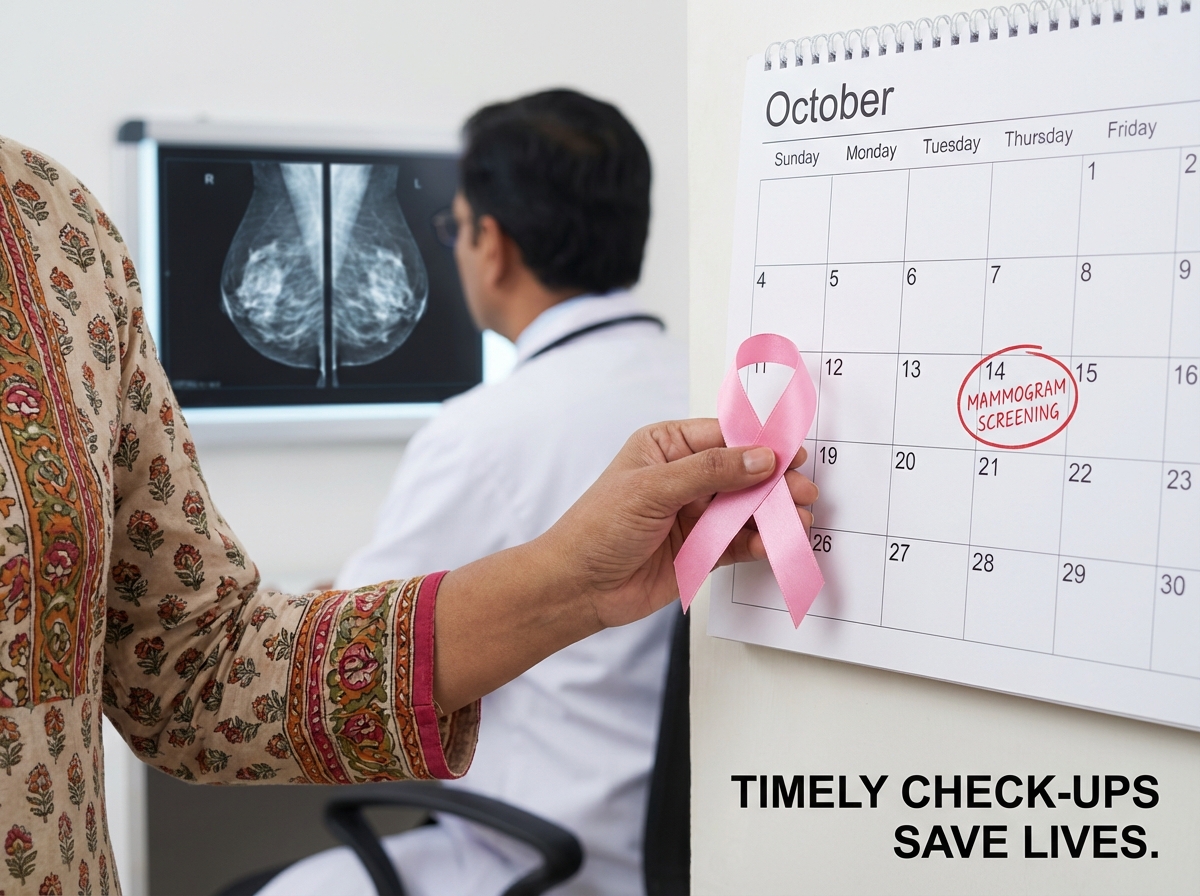
Breast Cancer: Early Detection Saves Lives in India

Early breast cancer detection can improve treatment outcomes and survival. Learn warning signs, screening habits, and when to seek medical advice in India.

Direct answer: Early detection of breast cancer can improve treatment outcomes, increase the chance of less aggressive care, and may improve survival. In India, timely screening, awareness of symptoms, and early medical advice are especially important because many cases are still diagnosed late.

Key takeaways

  • Breast cancer may not cause pain or obvious symptoms in its early stages.
  • Early detection can improve survival and may allow less aggressive treatment.
  • Important warning signs include a new lump, skin changes, nipple discharge, or a change in breast shape.
  • For many women, yearly clinical breast exams and mammograms after age 40 are advised.
  • Women with a family history or other high-risk factors may need earlier screening based on a doctor’s advice.
  • If you notice any unusual breast change, consult a qualified clinician promptly.

Why early breast cancer detection matters in India

Breast cancer is a condition in which cells in the breast grow abnormally. When it is found early, treatment may start before the disease advances.

For women in India, this is an important public health message. Many cases are still diagnosed late because early signs are ignored, misunderstood, or dismissed as minor.

In India, the overall 5-year survival rate for breast cancer is around 66%. If it is detected at the earliest stage, survival can rise to nearly 95%.

That difference highlights why regular screening, body awareness, and timely medical attention matter, especially for women after 40 or earlier in high-risk cases.

Why early diagnosis of breast cancer is important

Breast cancer often begins silently. In early stages, it may not cause pain or obvious discomfort, which is why screening matters.

A small lump or subtle tissue change may be easier to treat before the disease spreads.

How early diagnosis may help

  • Better survival chances: Treatment can begin before the cancer advances.
  • Less aggressive treatment: Some women may have a higher chance of breast-conserving approaches.
  • Lower emotional and financial burden: Earlier care may reduce stress and disruption for the patient and family.

In many Indian families, women often delay their own check-ups while caring for others. That delay can make treatment more difficult.

Common breast cancer warning signs you should not ignore

Not every breast change means cancer, but every unusual change deserves attention. If something feels or looks different, get it checked by a qualified doctor.

Possible signs to watch for

  • A new lump in the breast or armpit
  • Changes in breast size or shape
  • Skin changes such as dimpling, redness, thickening, or puckering
  • Nipple discharge, especially if it is bloody or unusual
  • Nipple pulling inward or any sudden visible change
  • Persistent pain in one area that does not go away

One common mistake is waiting for pain. Breast cancer does not always hurt in the beginning, so a painless lump should never be ignored.

Breast cancer screening habits that may help protect your health

Screening means checking for disease before obvious symptoms appear. Health experts recommend regular breast screening as part of preventive care.

For most women, yearly clinical breast exams and mammograms after age 40 are advised. Women with a family history of breast cancer or other high-risk factors may need to begin earlier, based on a doctor’s recommendation.

Simple screening habits to follow

  1. Schedule routine breast check-ups every year.
  2. Ask your doctor when you should start mammography.
  3. Learn how your breasts normally look and feel.
  4. Do not delay a consultation if you notice a new symptom.

Awareness campaigns across India are helping more women understand self-examination and regular screening. The more openly breast health is discussed, the more likely people may be to seek help earlier.

What Indian women should remember about breast cancer screening

The key message is simple: early detection gives you options. It can improve survival, reduce treatment complexity, and in some cases help preserve the breast.

If you notice a lump, nipple discharge, skin changes, or anything unusual, do not wait too long. Speak with a qualified doctor and get clarity as early as possible.

If it is time for routine screening, make the appointment now rather than delaying it.

Medical safety note: This information is for awareness and does not replace medical advice. Consult a qualified clinician for diagnosis, screening schedules, or treatment decisions.

If you want expert guidance, screening advice, or help connecting with the right specialist, book an appointment through AskyDoc.


Share the post

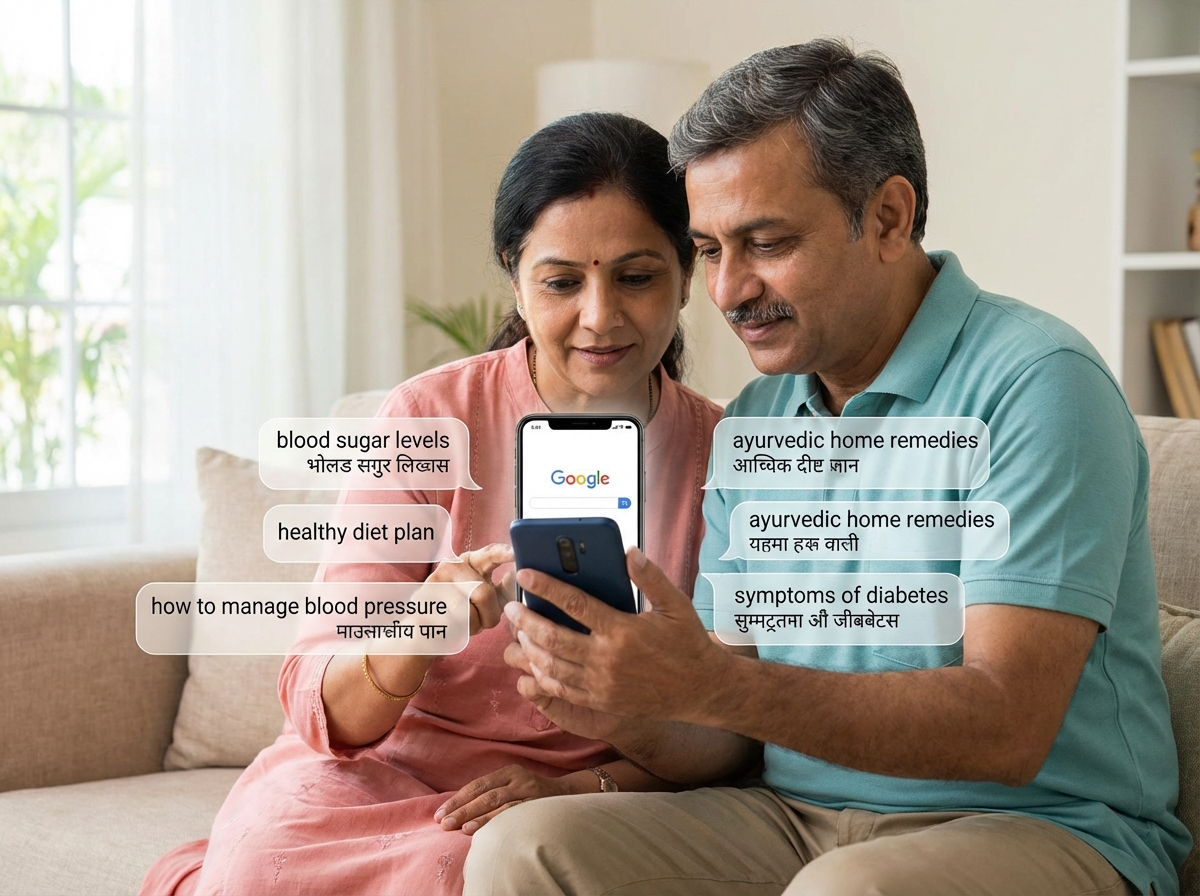
Top 10 Health Questions Indians Ask Online in 2025

India’s top 2025 health searches included diabetes, blood pressure, cholesterol, thyroid, weight loss, and when to see a doctor.

Direct answer: In India, many of the most searched health questions in 2025 were about diabetes, blood pressure, cholesterol, thyroid concerns, weight loss, kidney stones, fatigue, and when symptoms need a doctor. These searches show that people want quick, trustworthy guidance, but online information should support—not replace—medical advice.

Key Takeaways

  • India’s top health searches in 2025 focused on common lifestyle-related concerns.
  • Blood sugar, blood pressure, cholesterol, thyroid health, and weight loss were major topics.
  • People often search online first for quick answers before visiting a doctor.
  • Searches can help with awareness, but they cannot confirm a diagnosis.
  • Warning signs like chest pain, breathing trouble, or blood in urine need medical attention.

Why these health questions are trending in India

In India, the rise in online health queries is closely linked to changing lifestyles. Long work hours, lower physical activity, stress, processed food, and irregular sleep are making conditions like high blood pressure, diabetes, obesity, and high cholesterol more common.

Three reasons may explain this trend:

  • Lifestyle diseases are increasing in both cities and smaller towns.
  • People want instant answers before deciding whether to visit a doctor.
  • Preventive health awareness is growing, especially among younger Indians.

Top 10 health questions Indians ask online

1. What is a normal sugar level?

This is one of the most searched health questions in India. Blood sugar levels can help indicate whether someone may be at risk of prediabetes or diabetes.

Doctors usually check fasting blood sugar and post-meal sugar levels to understand control. One reading alone is not enough for diagnosis, and a doctor may also recommend a HbA1c test for a broader picture.

2. What is high blood pressure?

High blood pressure is also called hypertension. It usually has no obvious symptoms, which is why it is often described as a silent problem.

If left unmanaged, it can affect the heart, brain, and kidneys. Regular blood pressure (BP) checks are important, especially if you have stress, a family history, excess weight, or a high-salt diet.

3. How to lower cholesterol?

People often search this after a routine blood test. The first line of action usually includes cutting down fried foods, reducing trans fats, exercising regularly, and increasing fibre intake.

In some cases, medicine may also be needed depending on heart risk and lipid levels. A doctor can help decide the right plan based on your reports.

4. How can I prevent diabetes?

This question reflects rising awareness. Prevention often starts with simple habits: maintaining a healthy weight, walking daily, limiting sugary drinks, sleeping well, and getting regular health check-ups.

Family history matters too, so prevention may need to start early.

5. What are kidney stone symptoms?

Many people search this when they experience sharp side pain, burning urination, nausea, or blood in urine. Kidney stones can range from tiny crystals to larger stones that need medical treatment.

Drinking enough water is important, but persistent symptoms should not be ignored.

6. What is the best diet for thyroid?

Thyroid-related searches are common, especially among women. There is no single miracle diet, but balanced nutrition matters.

Iodine, selenium, protein, and iron can play a role. Treatment should depend on whether the issue is hypothyroidism or hyperthyroidism, and self-treatment based on social media advice can be risky.

7. How to lose weight safely?

Crash diets may trend online, but sustainable weight loss usually comes from portion control, strength training, walking, protein-rich meals, and consistency.

Quick fixes often fail because they are too extreme for daily Indian life.

8. What causes sudden fatigue?

Fatigue is a very common concern. It may be linked to poor sleep, stress, anaemia, thyroid problems, blood sugar imbalance, vitamin deficiencies, or infection.

If tiredness continues for weeks, it deserves proper evaluation.

9. What foods are good for heart health?

Searches around heart-friendly diets have increased because more Indians understand the link between food and long-term health.

A practical Indian heart-healthy plate includes vegetables, dal, whole grains, nuts, fruits, and less oily, salty, packaged food.

10. When should I see a doctor instead of Googling symptoms?

This may be the most important question of all. Online information is useful for awareness, but symptoms like chest pain, severe headache, breathing trouble, fainting, high fever, blood in urine or stool, or sudden weakness need real medical attention quickly.

Safety note: If symptoms are severe, sudden, or persistent, consult a qualified clinician instead of relying only on online information.

Quick summary of the most searched questions

Common health questions Indians searched online in 2025
Question Main concern Helpful next step
Normal sugar level Prediabetes or diabetes risk Check readings and discuss with a doctor
High blood pressure Silent health risk Monitor BP regularly
Lower cholesterol Heart health Improve diet, activity, and review reports
Prevent diabetes Lifestyle prevention Build healthy daily habits
Kidney stone symptoms Pain and urinary symptoms Do not ignore persistent symptoms
Best diet for thyroid Nutrition and thyroid condition type Avoid self-treatment and seek guidance
Lose weight safely Sustainable weight loss Focus on realistic long-term habits
Sudden fatigue Possible medical or lifestyle causes Get evaluated if it continues
Foods for heart health Diet quality Choose a balanced Indian plate
When to see a doctor Urgent warning signs Seek medical care promptly

The biggest insight is simple: people are not just searching for disease information, they are searching for control. They want to know what is happening in their body and what they can do next.

That is why trustworthy digital health content matters so much. If you are checking symptoms online, use that information as a starting point, not a final diagnosis.

Keep track of your readings, note your symptoms, and ask better questions during your consultation. That approach can save time and support better care.

Your next step: get the right advice, not just quick answers

If you have been searching about sugar levels, blood pressure, cholesterol, thyroid, or weight concerns, do not stop at online reading. Turn that question into action.

Book a consultation through AskyDoc and speak with a qualified doctor who can guide you based on your age, lifestyle, symptoms, and test reports. A smart search is good. A medical opinion is better.

Book an online doctor consultation on AskyDoc.

Share the post

Protecting Patient Data in Teleconsultations Safely

Learn how Indian patients can protect health data during teleconsultations with trusted platforms, safe internet habits, consent awareness, and secure care.

Protecting Patient Data in Teleconsultations: Privacy and Security Tips for Safer Digital Care

Direct answer: Patient data in teleconsultations is safer when people use trusted telemedicine platforms, secure internet connections, and clear consent processes. In India, both patients and healthcare providers share responsibility for keeping health information private, confidential, and secure.

Key Takeaways

  • Use trusted telemedicine platforms linked to recognized healthcare services.
  • Avoid public Wi-Fi and use a private internet connection for online doctor consultations.
  • Understand informed consent, confidentiality, and how your health data may be stored or used.
  • Doctors and platforms should use secure storage, controlled access, and clear privacy policies.
  • Digital literacy matters because many privacy risks come from unsafe usage, not just weak software.

What patient data protection means in teleconsultations

Teleconsultation means a remote medical consultation using digital tools such as video, audio, chat, or app-based systems. During these sessions, patients may share highly sensitive health information including prescriptions, test reports, medical history, mental health details, medications, family history, and identity documents.

Protecting this information means keeping it confidential and limiting access to authorized people only. In digital healthcare, privacy and security are part of quality care, not just technical add-ons.

Why patient data protection matters in teleconsultations

If health information is exposed, it can create serious privacy risks. Patients may also hold back important details if they do not trust the system, which can affect diagnosis and treatment.

Trust is central to healthcare. That is why telemedicine platforms increasingly use encryption, secure logins, protected cloud storage, and monitored access systems to help keep records confidential.

In simple terms, your health data should be treated with the same care as records in a locked hospital file room, except the protection now has to work digitally.

Privacy and security tips for safer teleconsultations

1. Use trusted and approved telemedicine platforms

Not every video calling or chat app is suitable for medical use. In India, telemedicine providers are expected to use reliable systems that support confidentiality and proper record-keeping.

Before booking, verify that the platform is authentic, professional, and linked to a recognized healthcare service. You may also review the platform’s telemedicine platform safety standards.

  • Check the website or app name carefully before logging in.
  • Use official download links only.
  • Avoid sharing reports over random messaging groups or unknown numbers.
  • Confirm doctor identity and clinic details before the session.

2. Avoid risky internet habits during online doctor consultations

A secure platform cannot fully protect a consultation if the user joins through an unsafe network. Public Wi-Fi at cafes, railway stations, or malls may expose personal data to cyber risks.

Even a casual online consultation should be done from a private internet connection whenever possible.

  • Use a private home or mobile data network.
  • Keep your phone and apps updated.
  • Set strong passwords and do not reuse them everywhere.
  • Log out after consultations, especially on shared devices.

India’s telemedicine guidelines place strong emphasis on informed consent and confidentiality. Patients should understand when they are entering a teleconsultation, what information is being collected, and how it may be stored or used.

Doctors are also expected to maintain digital records securely, just as they would protect physical files in a clinic.

This is especially relevant as health data now sits within a broader privacy discussion. New regulations, including the Digital Personal Data Protection framework, have increased awareness around how personal information should be handled.

Health data deserves extra caution because it is deeply personal and can have long-term consequences if misused. Patients may also benefit from reading more about patient consent in online consultations.

The hidden challenge: digital literacy and access gaps

Safety in teleconsultations is not only about software. It also depends on whether patients know how to use digital healthcare safely.

Some users may not know how to verify a genuine app, identify phishing messages, manage privacy settings, or recognize suspicious links. In India, this matters across cities, towns, and rural areas where digital access and secure usage skills can vary.

This gap can raise privacy risks, especially for elderly users or first-time digital health users. Healthcare providers can help by giving simple instructions before appointments, including how to join safely, where to upload reports, and what type of communication is official.

What doctors and telemedicine platforms must do

Patients should stay alert, but the larger responsibility still lies with healthcare providers and telemedicine platforms.

  • Protect patient records with secure storage and controlled access.
  • Follow Indian telemedicine rules on confidentiality.
  • Maintain proper consultation records.
  • Use systems that reduce the risk of unauthorized sharing or breaches.
  • Communicate clearly about privacy policies and consent.

Security should never feel optional in digital care. It should be built into the patient experience from the first click.

Smart takeaway for patients using digital healthcare

Convenience is one of telemedicine’s biggest strengths, but safe digital care depends on everyday caution. Verify the app, protect your internet connection, and ask questions if something feels unclear.

A secure consultation is not only about technology. It is also about confidence, awareness, and trust.

If you want a safer and simpler way to connect with qualified doctors online, book your appointment with AskyDoc and take the next step toward secure digital healthcare with confidence.

Medical safety note: If you are unsure how your health information will be handled, ask the provider before sharing sensitive details. For personal medical advice, diagnosis, or treatment decisions, consult a qualified clinician.

Reviewed for clarity, accessibility, and AI-friendly structure.

Share the post

AI in India telemedicine: faster online consultations

AI supports telemedicine in India with faster triage, multilingual help, and smoother follow-ups—while doctors remain responsible for decisions.

Direct answer: In India, Artificial Intelligence (AI) in telemedicine is mainly used to support online doctor consultations by speeding up triage, improving communication (including local-language support), and making follow-ups more consistent—while doctors still make the final clinical decisions.

Why AI is being used in telemedicine in India

If you have ever tried a teleconsultation and thought, “Why does it still feel slow sometimes?”, you are not alone. A major shift in Indian healthcare is unfolding: Artificial Intelligence (AI) in telemedicine.

AI is generally designed to support clinicians so teleconsultations can be more responsive and patient-friendly.

From basic symptom guidance to multilingual support, AI tools (including chatbot-style assistants) are increasingly used behind the scenes. In India, this can help scale access through better triage, faster follow-ups, and language support.

How AI helps telemedicine in India today

AI chatbots for quick answers and appointment support

AI-powered chatbots can help with early steps, such as answering basic health questions, guiding patients on what type of specialist to consult, and assisting with appointment scheduling.

This may reduce waiting time and help platforms manage higher volumes while maintaining responsiveness. For patients, it can mean fewer confusing steps and more clarity even before meeting the doctor.

Local-language prescription support for Indian patients

India’s telemedicine ecosystem shows how impactful AI can be at public-health scale. For example, eSanjeevani has been reported to use AI features to generate prescriptions in multiple local languages.

This may help patients understand instructions more clearly. When advice is easier to read, adherence and follow-ups can become smoother.

Documentation and clinical workflow support during teleconsultations

Documentation can take significant time in healthcare. AI can support doctors by organising patient-reported symptoms, structuring notes, and highlighting relevant medical history during teleconsultations.

The doctor remains in control, while routine workflow steps may become faster and more consistent.

What may come next in AI-enabled teleconsultations

AI-assisted symptom analysis and risk flagging for faster triage

As tools mature, AI systems may combine symptoms, medical history, and available vitals to help clinicians spot patterns quickly.

For instance, an assistant could flag warning signs (such as severe breathlessness, chest pain red flags, or potential medication interaction risks) so urgent cases can be prioritised.

This does not mean AI diagnoses you on its own. It can provide decision support, while the doctor evaluates context and confirms next steps.

Personalised reminders for medicines and follow-ups

A common reason treatments do not work as expected is missed doses or skipped follow-ups. AI can help by sending personalised reminders, such as:

  • Medication schedules (including time-based nudges)
  • Follow-up reminders after a few days to check progress
  • Lifestyle prompts like hydration, diet notes, or symptom monitoring

For busy Indian households balancing work, children, and elders, this kind of support can be practical and reassuring.

Better continuity of care across multiple online doctor visits

Telemedicine often becomes more valuable when care is continuous rather than one-off. AI can help create a consistent health timeline by summarising previous consultations, spotting recurring issues, and reminding both doctor and patient what helped (or did not) last time.

Over time, this may support more personalised care for long-term concerns such as diabetes, thyroid conditions, certain skin conditions, or recurrent infections.

What AI won’t replace: the doctor’s judgment

Even with rapid progress, healthcare still needs human expertise for nuanced decisions, physical assessments (when needed), ethical judgment, and empathy.

A useful way to think about it is: AI assists, doctors decide. AI can reduce noise, speed up routine steps, and surface relevant insights, while the clinician remains responsible for diagnosis and the care plan.

Practical takeaway for India: choosing AI-enhanced telemedicine

The future of teleconsultations in India may be more efficient and patient-friendly: faster triage, clearer instructions in local languages, smarter follow-ups, and better continuity.

A practical takeaway is to choose platforms that already help simplify online care and support early action when symptoms arise.

If you want quick guidance with a doctor-led consultation that fits your schedule, you can book an appointment on AskyDoc and take the next step with confidence.

Sources

All health-related content published on AskyDoc is reviewed by qualified medical professionals to ensure accuracy, relevance, and adherence to current clinical guidelines. Our goal is to provide reliable, evidence-based information to support informed healthcare decisions.

Share the post